
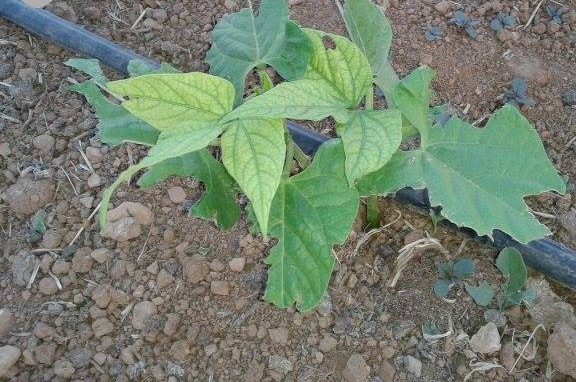

Project Location: Jul Bek village, western countryside of Kobanî, Aleppo Governorate
Implemented by: DOZ Syria – Agriculture and Livelihoods Unit
🌍 Background
In the wake of Syria’s prolonged conflict and instability—particularly in Kobanî, a region heavily impacted by war and the absence of functioning governance—local communities have faced severe challenges in securing food and sustaining livelihoods. The rise of extremist groups and the economic blockade have further intensified hardship, especially for families who once relied on agriculture as their primary source of income.
Recognizing these urgent needs, DOZ Syria launched a pilot initiative to promote natural, organic vegetable cultivation as a sustainable solution to improve food security and restore agricultural livelihoods in the region.
🔍 Project Objectives
- Enable families in Kobanî to grow essential food locally and organically.
- Encourage self-reliance and reduce dependence on imported food from neighboring areas.
- Provide a low-cost, replicable agricultural model suitable for semi-arid, resource-constrained environments.
- Empower local farmers and students through hands-on training and participation.
🚜 Challenges Addressed
This project was developed in response to several structural and environmental challenges:
- Semi-arid climate – Rainfall is insufficient; most farming depends on groundwater.
- Decades of agricultural neglect – Large tracts of land remain uncultivated.
- Limited financial resources – Residents lack capital to restart farming independently.
- Lack of agricultural experience – Skills and knowledge in modern farming are minimal.
- Unreliable income from farming – Agriculture has not been seen as a viable livelihood.
🌱 The Pilot Project: Jul Bek Village
To test an affordable and climate-resilient farming model, DOZ Syria implemented a pilot project in Jul Bek, a village located approximately 10 km west of Kobanî city. The project was led by Mirzad Sheikhi, Executive Director of the Agriculture Sector at DOZ Syria, and supported by a team of local volunteers.
Project Highlights:
- ✅ 5 square meters of land were cultivated as a demonstration plot.
- ✅ Crops included cucumbers, courgettes, beans, peas, squash, sage, watercress, and carrots—all chosen for their ability to thrive in dry conditions.
- ✅ A simplified drip irrigation system was used, powered by groundwater drawn into a small reservoir.
- ✅ The soil was fertilized using locally produced organic compost.
- ✅ The experiment was community-driven, involving volunteer students and local farmers.
💬 Community Impact & Future Plans
Following the success of the initial experiment, Ahmed Shekho, DOZ Syria’s Director in Kobanî, highlighted the long-term potential of replicating the model across the region. In his remarks, he emphasized the significance of developing community-based agricultural systems that can provide both food and income—especially critical in light of past sieges, high food prices, and trade monopolies that devastated access to basic goods.
This initiative is expected to contribute to:
- 🔹 Local food production
- 🔹 Job creation
- 🔹 Reduced dependency on humanitarian aid
- 🔹 Resilience building in rural communities
DOZ Syria aims to scale this model by identifying sponsors and donors to support the expansion of organic farming to other villages and regions, including areas along Syria’s coastline.
🤝 Get Involved
If you are interested in supporting sustainable agriculture and food security initiatives in Syria, please contact DOZ Syria at:
📩 Email: info@doz.ngo
🌐 Website: www.doz.ngo