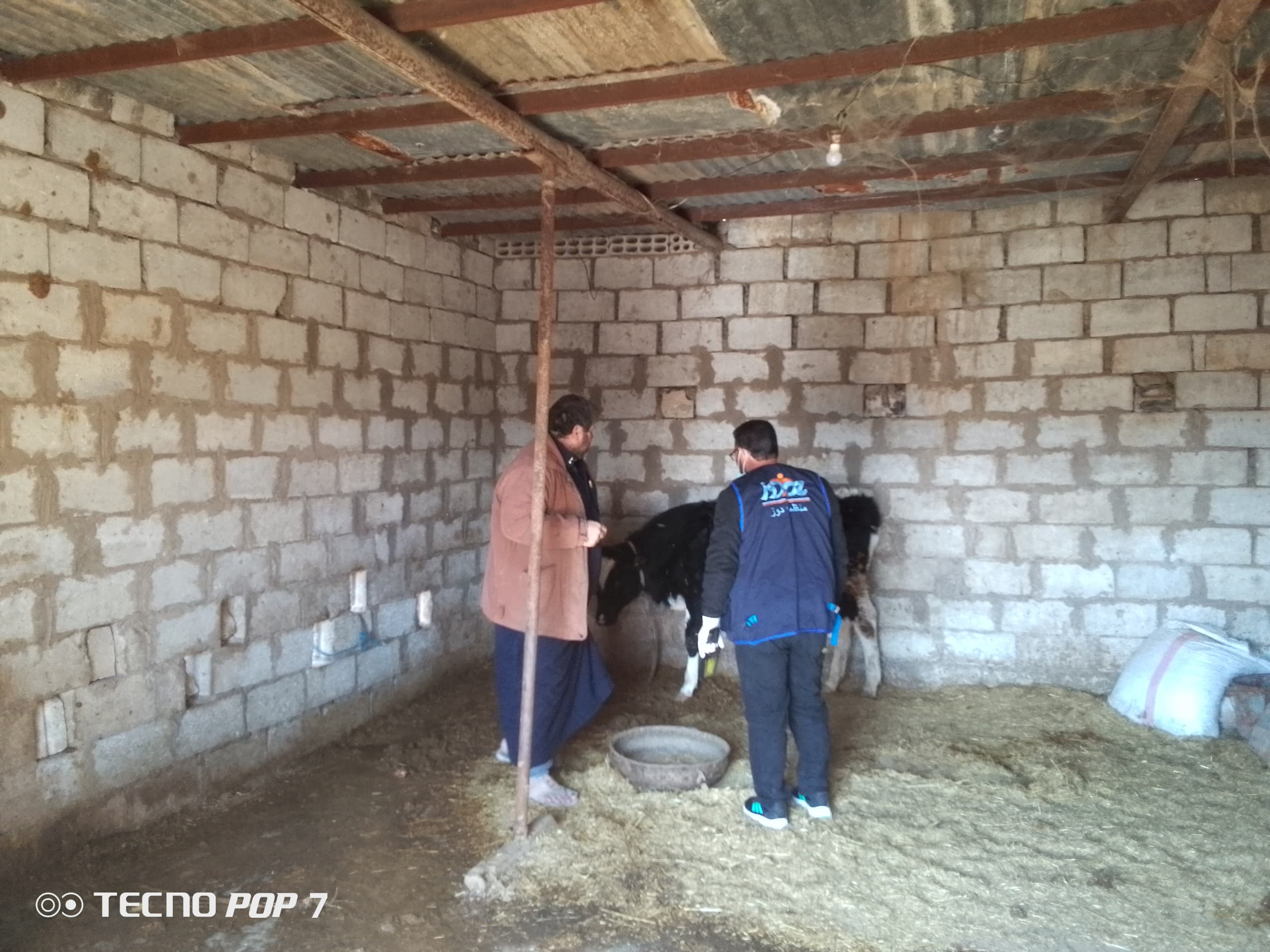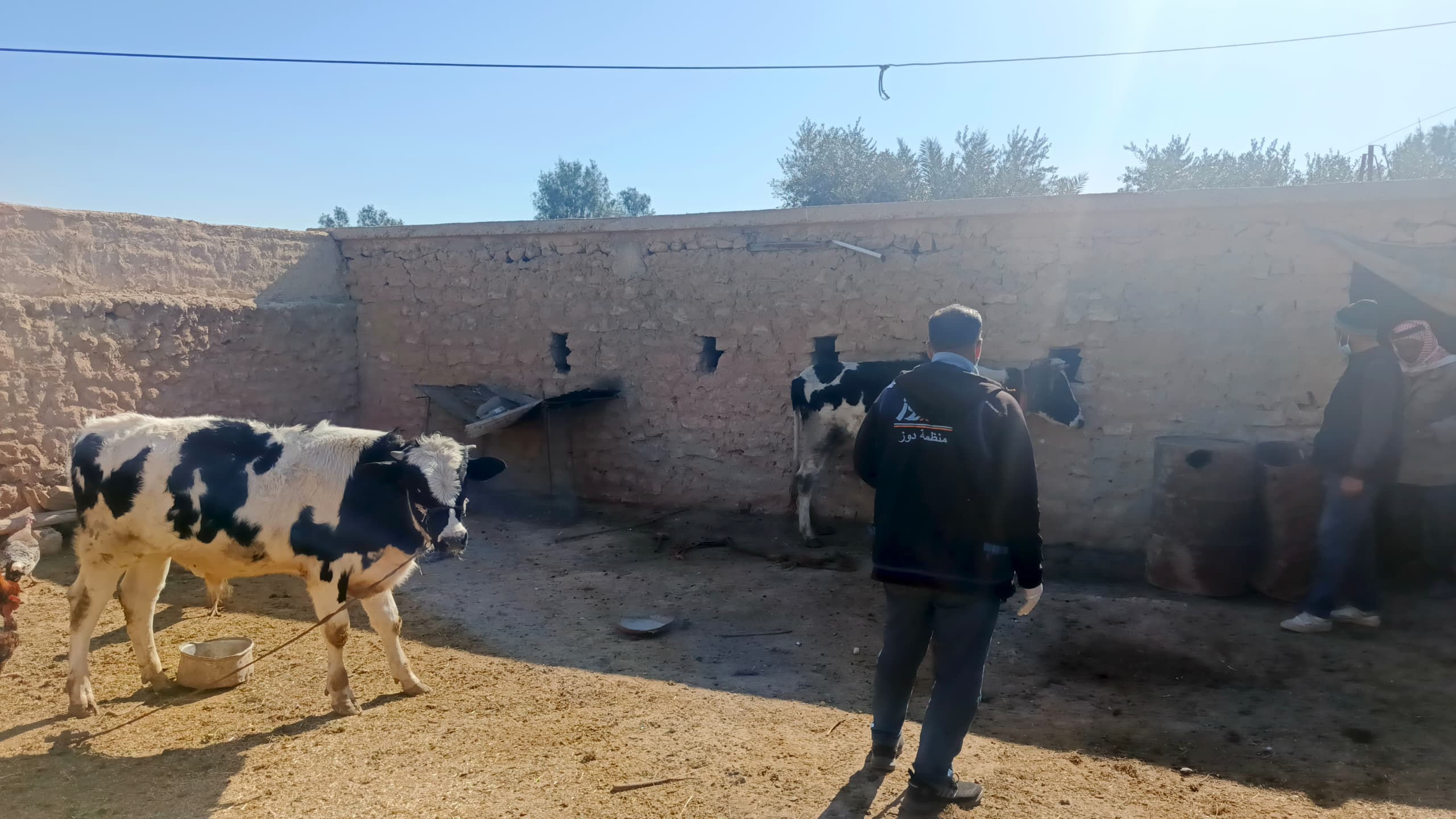
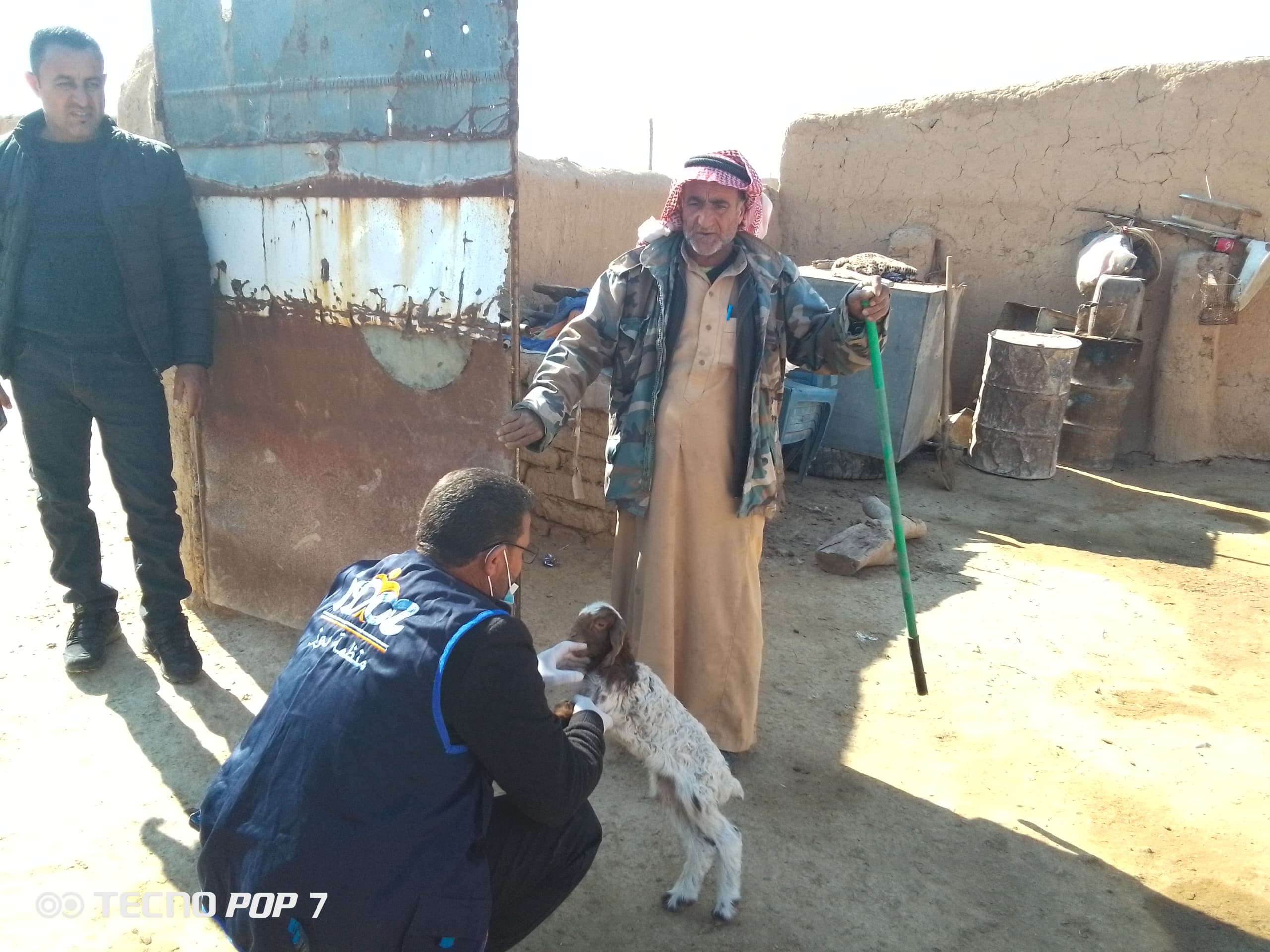

Hasaka, Syria – In the heart of Syria’s northeast, where livestock is not just a livelihood but a way of life, families in Shaddadi are witnessing the return of hope—one vaccination, one veterinary check-up, and one empowered woman at a time.
After years of conflict, the people of Shaddadi, a rural subdistrict in Hasaka governorate, have endured more than just physical destruction. Their agricultural economy collapsed. Veterinary clinics were left in ruins. Fodder became scarce. And vital access to medical services for animals—on which tens of thousands depend for milk, meat, income, and security—vanished.
Today, DOZ Syria is helping reverse that trajectory.
With support from international partners, the project “Veterinary Clinics Rehabilitation and Enhancing Livelihoods, Livestock, and Food Security in Rural Hasaka” is breathing new life into local clinics and restoring dignity to livestock breeders, farmers, and female veterinarians alike.
A Community in Crisis
Shaddadi is home to around 16,000 people and more than 260,000 sheep—yet for years, this community lacked functioning veterinary services.
Without access to vaccinations or proper care, livestock mortality soared. Farmers couldn’t reach markets. Women-led households, already among the most vulnerable, faced impossible choices: send daughters into early marriage or accept unsafe labor conditions just to afford daily bread.
But where others saw collapse, DOZ Syria saw a chance to build something better.
A Multi-Sector Approach to Livelihoods Recovery
The project is founded on a holistic solution to rebuilding rural resilience. It combines:
🏥 1. Rehabilitation of Veterinary Clinics
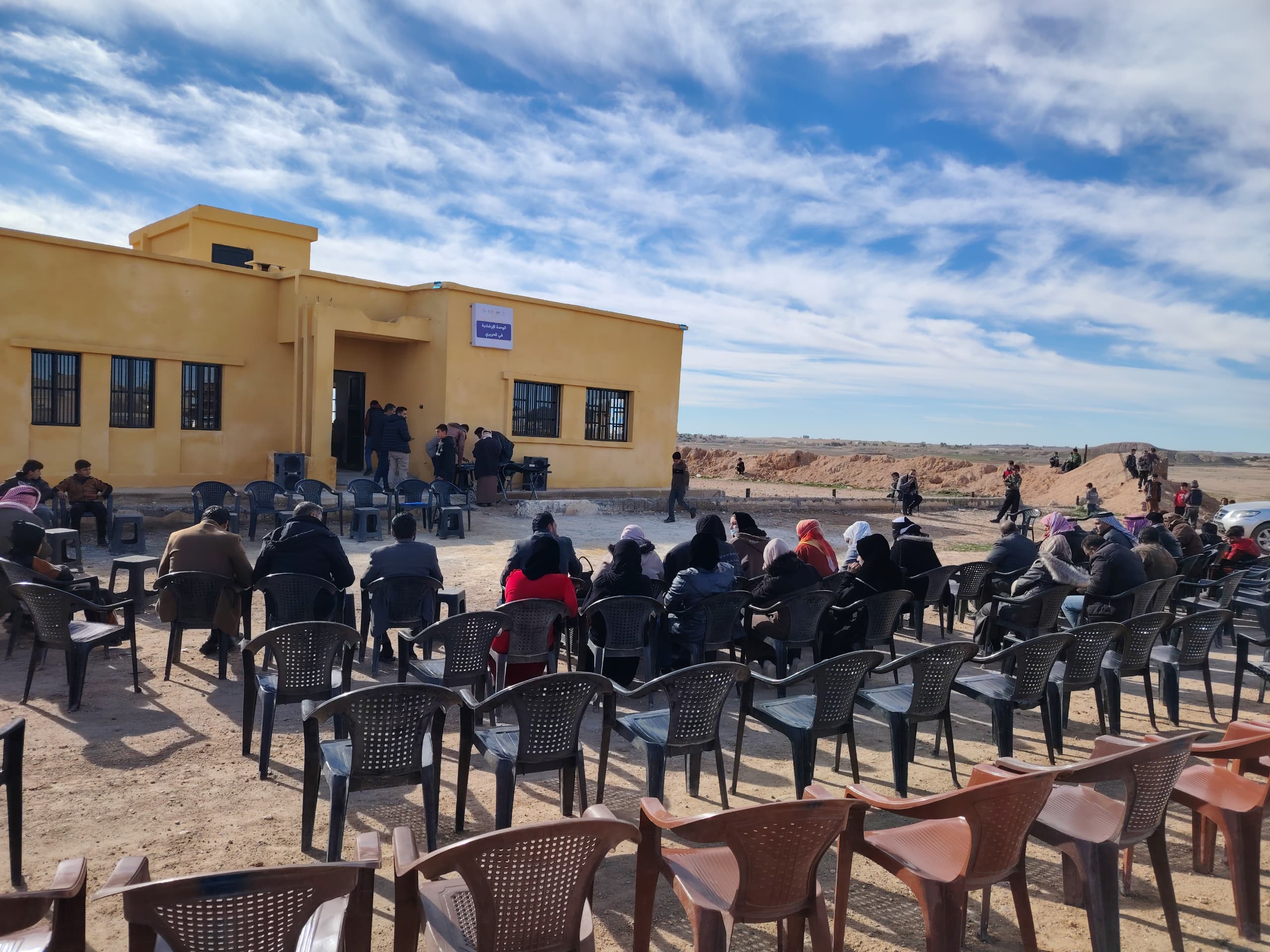
DOZ is restoring two essential clinics in Adla and Hariri, making animal care once again accessible to herders across the countryside.


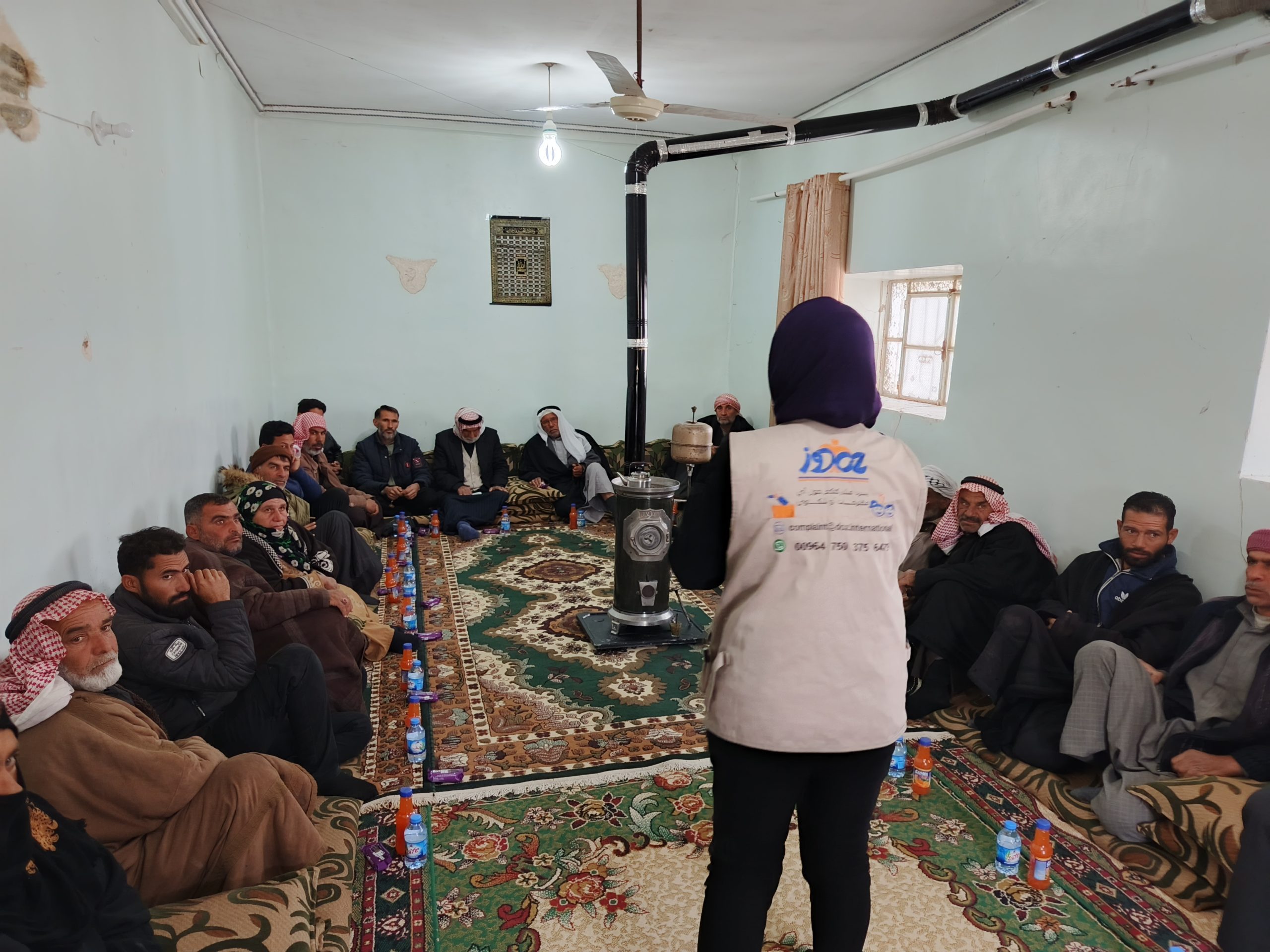
🧠 2. Capacity Building for Veterinarians and Livestock Breeders
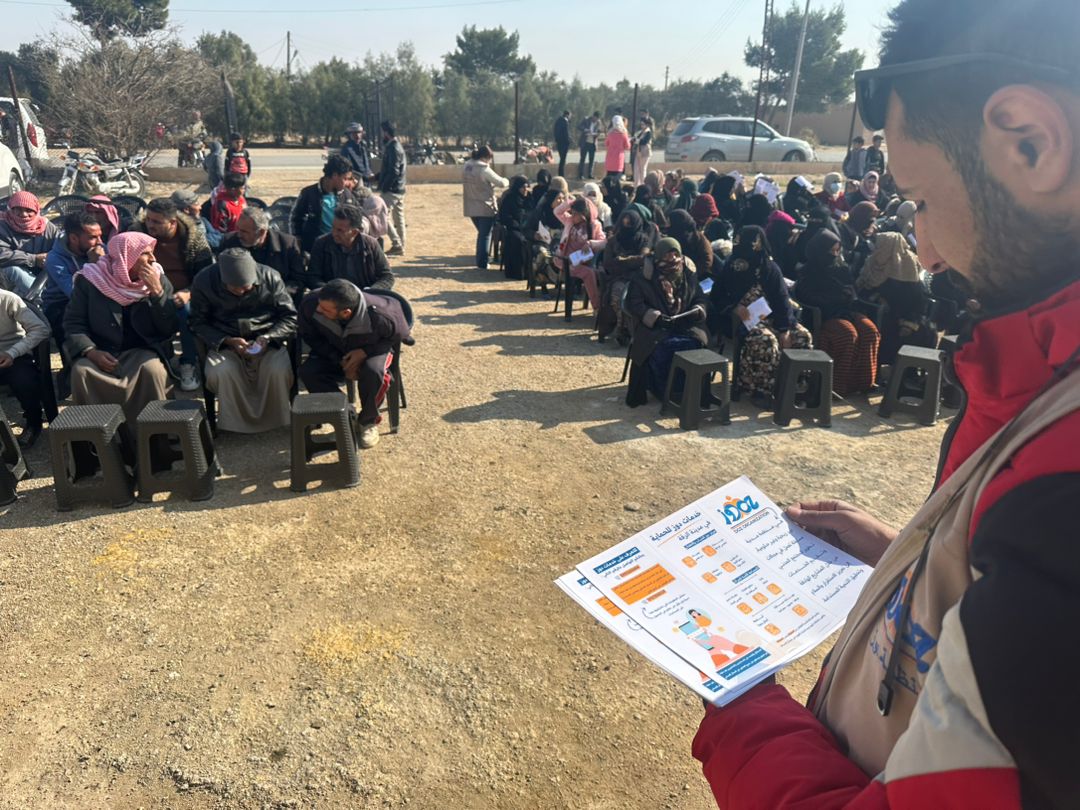
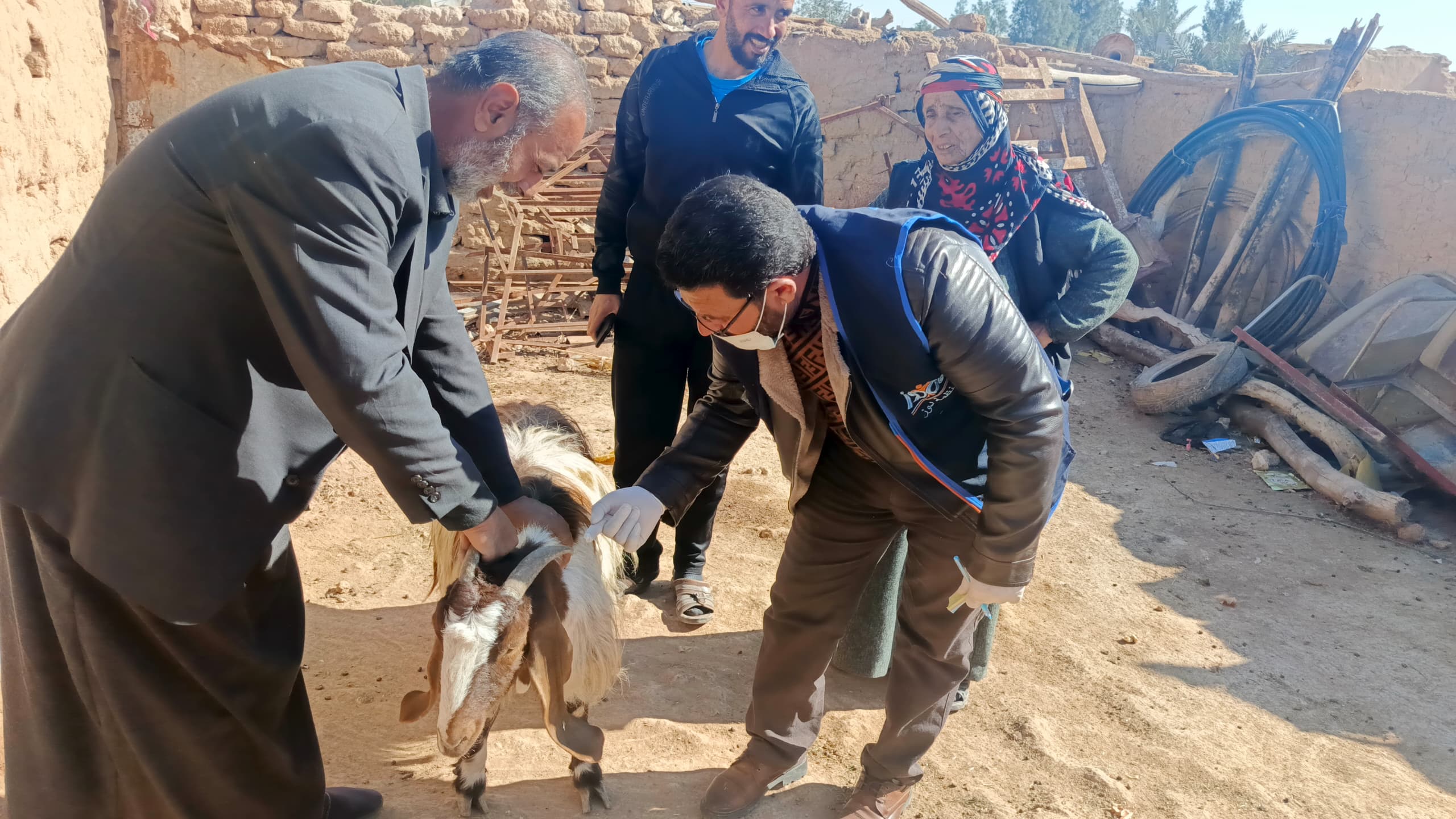
New skills are being taught through targeted trainings—for both veterinary staff and farmers—ensuring better animal health, smarter nutrition practices, and disease prevention strategies that can save entire herds.
👩⚕️ 3. Empowering Female Veterinarians
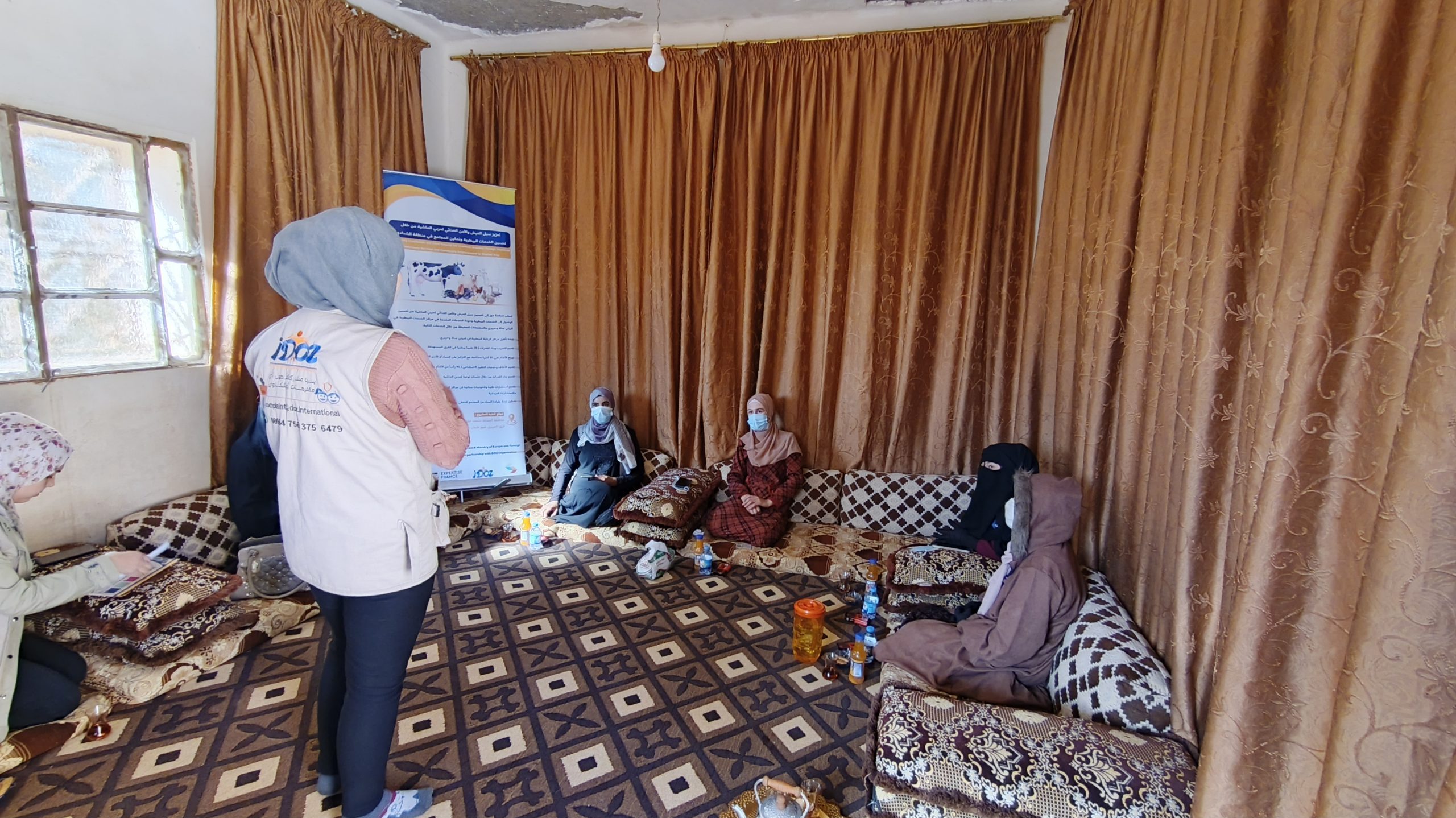
Female vets in Syria face social and structural barriers. This project is changing that by giving women the tools, recognition, and community support they need to lead in the veterinary field. This isn't just about animals—it’s about empowering women to be visible, respected experts in their profession.
💪 4. Economic Support for Livestock Breeders
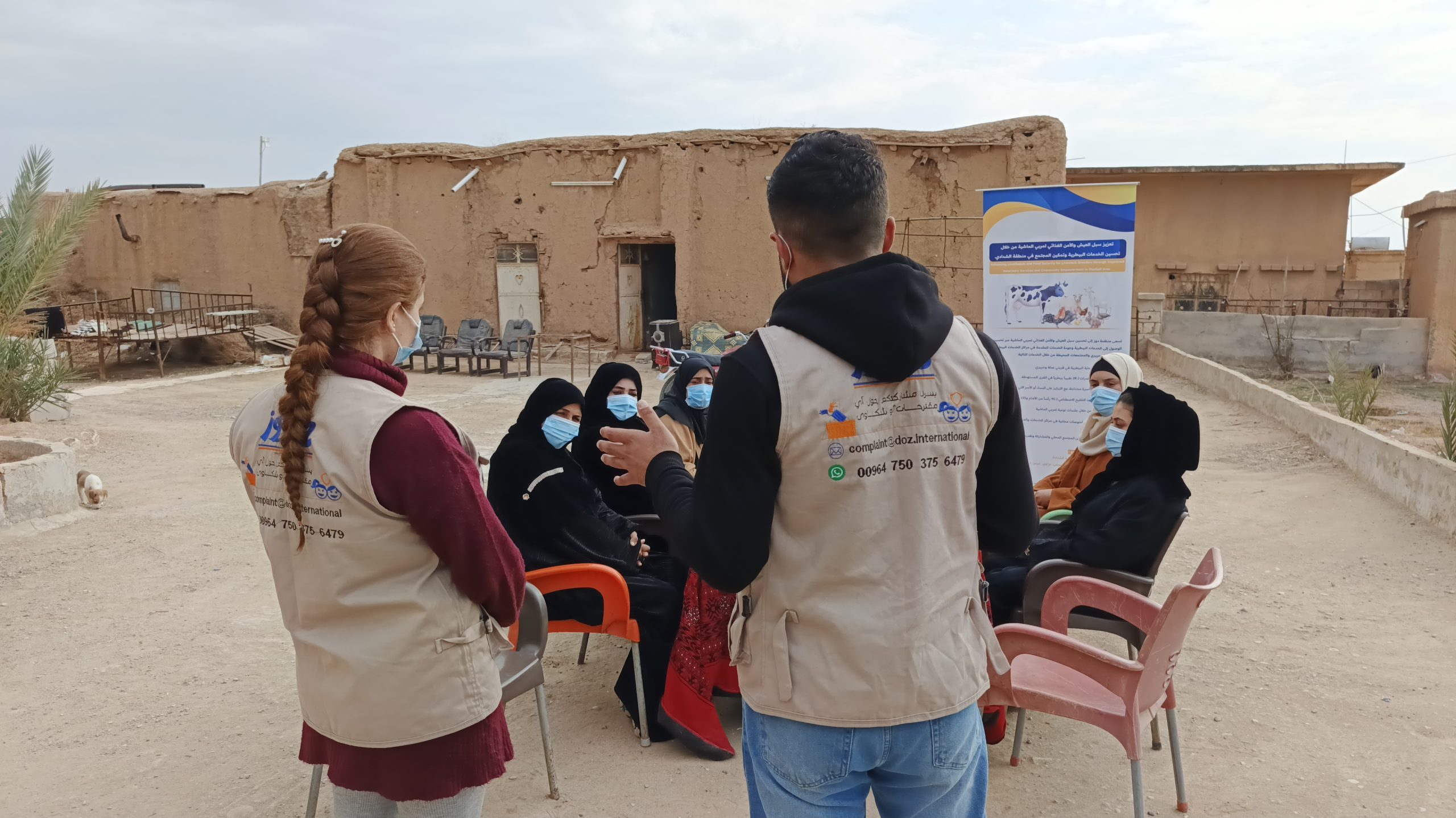
Through improved access to veterinary care and information, over 7,500 people in the project’s core areas are directly benefiting—and another 22,000 in neighboring regions will feel the impact in stronger herds, more stable incomes, and better food availability.
Building Resilience, Securing Futures
This project is more than a humanitarian intervention. It’s a bold investment in Syria’s future. It’s about healing animals—and healing livelihoods. It’s about helping families stay on their land, feed their children, and build a life rooted in dignity, skill, and resilience.
For the herders of Shaddadi, every newborn lamb and every field visit from a trained veterinarian is a sign that they haven’t been forgotten—and that a more stable tomorrow is possible.