

Location, Qamishli, Qubaniyah, and Amuda – 2014–2015
Donor: USAID/OTI
In the shadow of Syria’s long and painful war, thousands of families fled their homes in search of safety. Many arrived in the relatively stable towns of Qamishli, Qubaniyah (Tirbespi), and Amuda, seeking peace—but still carrying the heavy burden of displacement, poverty, and fear of exclusion.
In 2014, DOZ Syria launched a humanitarian campaign that would not only provide urgent educational support, but also foster peaceful coexistence among different communities. The initiative was named “The White Hands Campaign”, a symbol of clean intentions, giving, and solidarity.
Supported by the Syria Regional Program (USAID/OTI) and implemented by Chemonics International, the project aimed to bridge divisions between displaced Arab families and local Kurdish residents by encouraging children to return to school and helping communities heal and unite.
🎯 The Goal: From Fear to Integration
Despite being safer than other parts of Syria, the towns of Hasakah governorate had seen rising tensions between different ethnic communities. Many displaced Arab families hesitated to enroll their children in schools dominated by Kurdish populations, fearing rejection or marginalization. At the same time, local Kurdish families—also hit by war—struggled to make ends meet.
The White Hands Campaign set out to change that. It reached out to 600 children across the three towns, promoting education, inclusion, and shared community values.
📝 Step 1: Listening First – Surveys and Assessment
The campaign began with field assessments and household surveys. Local teams from DOZ Syria went door-to-door, meeting families—both local and displaced—to understand their needs. They gathered names of children who had dropped out of school due to war, poverty, or trauma.
But this phase wasn’t just about data. It was about trust-building. DOZ volunteers assured displaced families that they were welcome, safe, and not alone. Many were surprised to be visited by people who cared. "No one ever came to ask if our children still dream of school," one father said.
🎒 Step 2: Preparing with Care – School Kits and Learning Tools
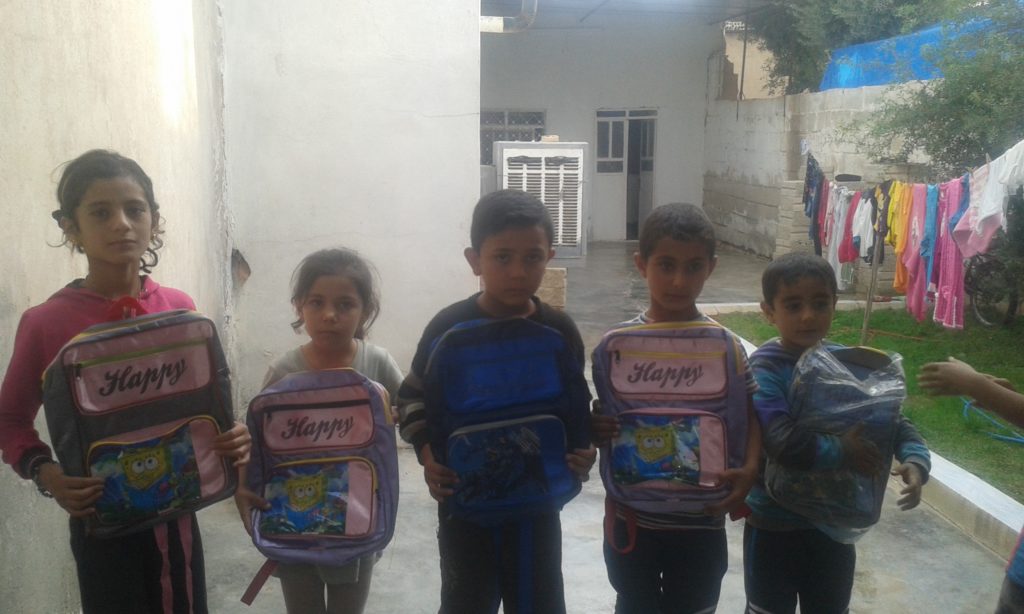
Once the needs were assessed, the DOZ teams purchased school bags packed with essentials:
Notebooks, pencils, pens, crayons, rulers, math and language books, drawing pads—and even educational games like chess sets and writing boards.
Volunteers in each town carefully sorted and packed each kit by hand, checking and re-checking to ensure every child received the right supplies. Each kit also included a small flyer promoting peace, community, and the right to education.
🚪 Step 3: Reaching Every Home – Distribution with Dignity
Rather than hold a public giveaway, DOZ volunteers personally delivered each bag to children’s homes, sitting down with families, sharing tea, and talking about school, friendship, and life. In Qamishli, 235 students received kits. In Qubaniyah, 194 children—including 87 from displaced families—were reached. In Amuda, another 170 children were supported.
One little girl from Damascus had tears in her eyes. "I missed sitting in class. I missed having a notebook. I missed having friends. I thought I would never go to school again," she said. Thanks to the campaign, she was registered in a local school alongside her new best friend—also a girl from a nearby displaced family.
🤝 Step 4: Building Peace Through Events and Smiles
Alongside the school kits, the campaign organized community events to help children and families connect:
- “Smile of Peace” Postcards: Flyers promoting coexistence were handed out during distribution, reminding families that their children belonged—and that peace begins with each of us.
- Peace Day (21 September 2014): The campaign joined DOZ’s “Peace One Day” initiative, spreading messages of unity across neighborhoods.
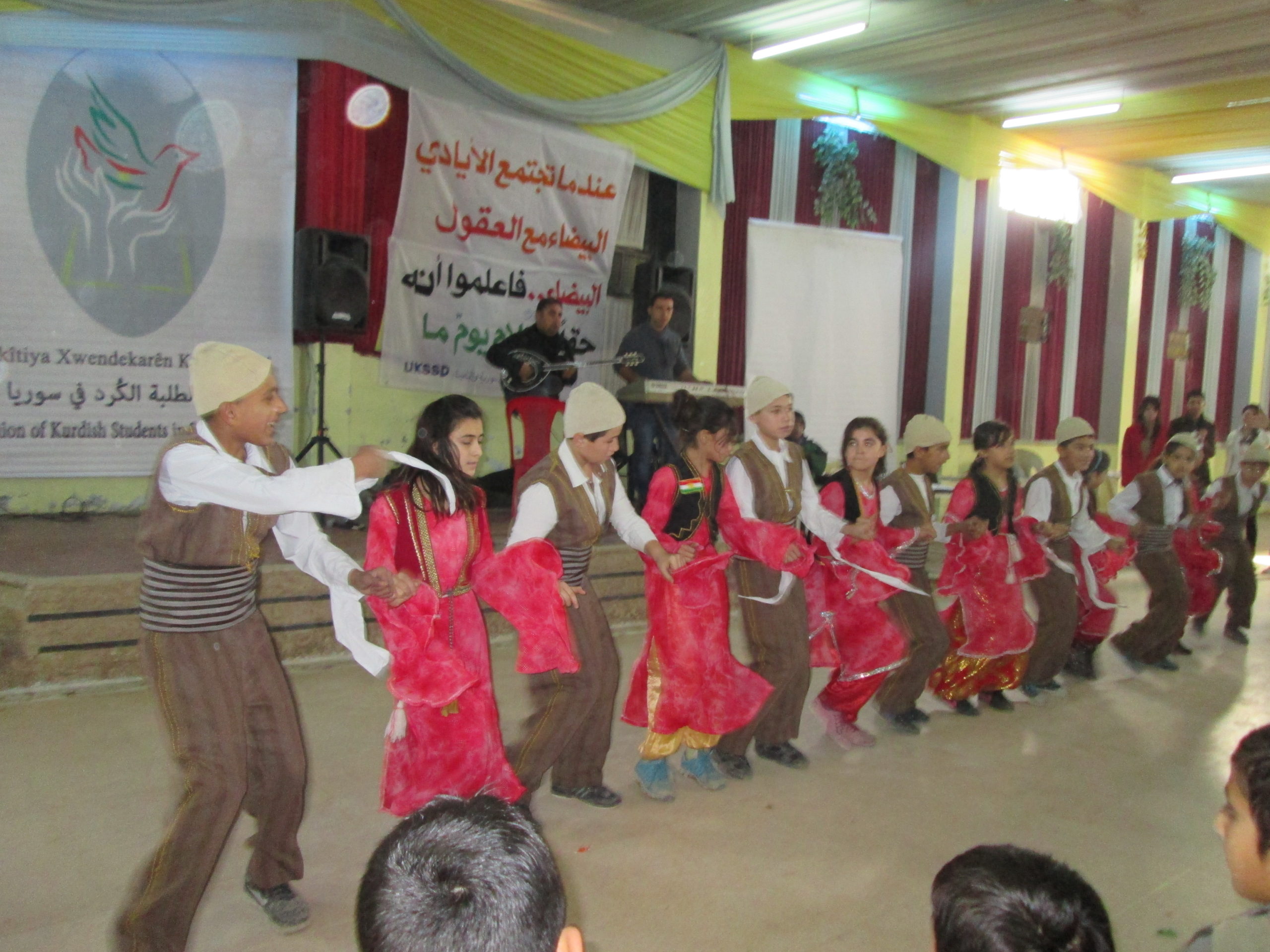
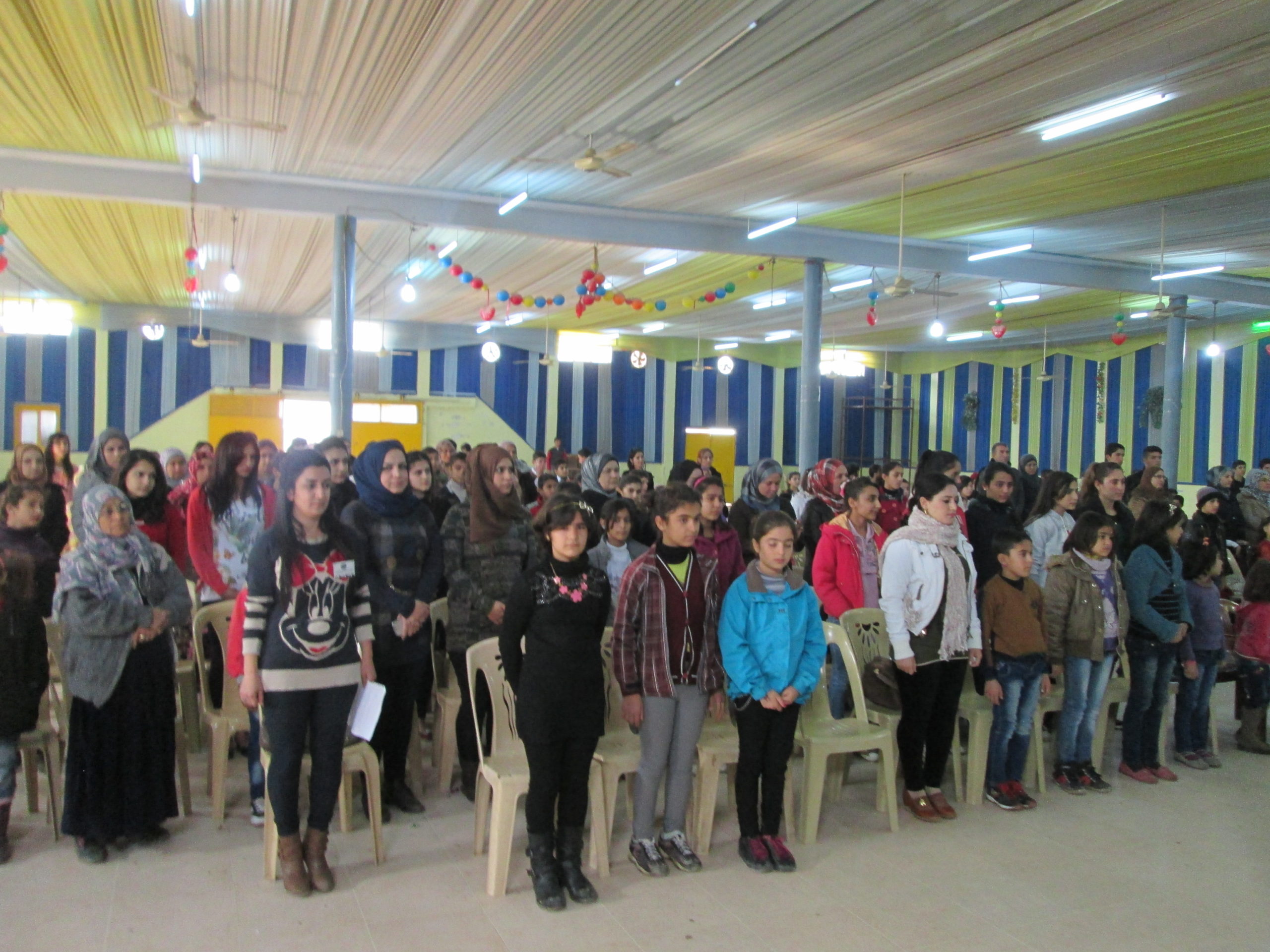
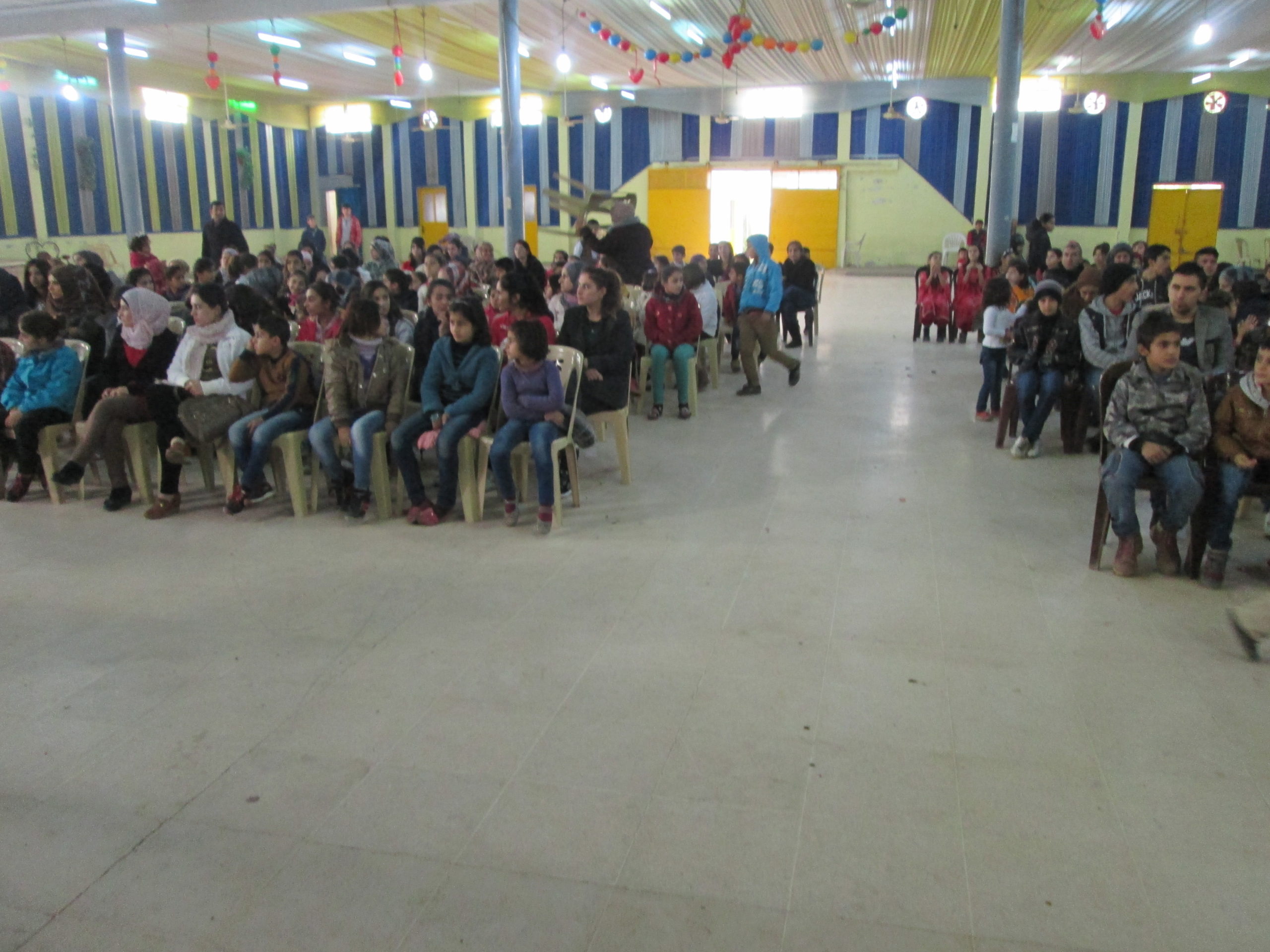
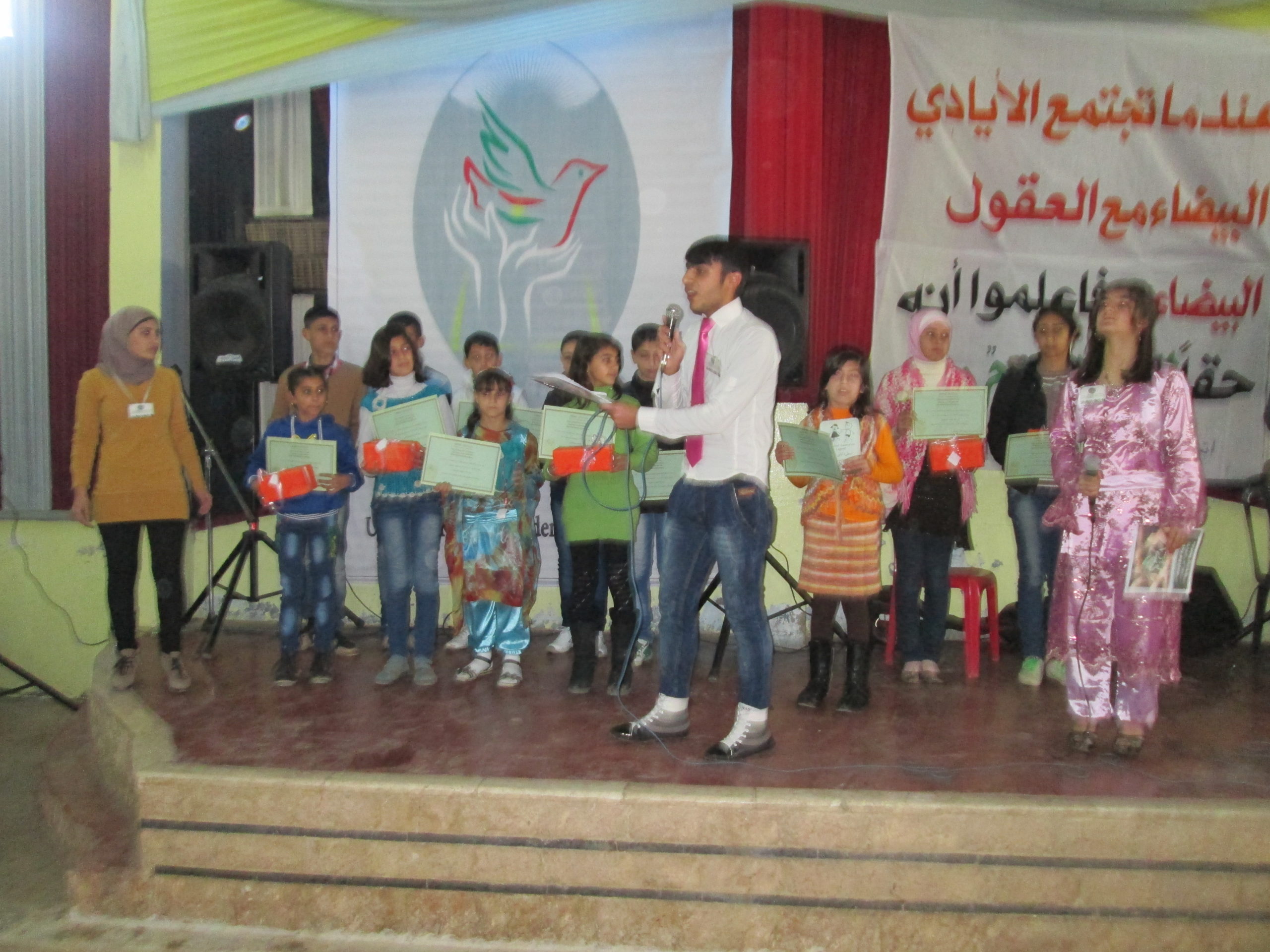
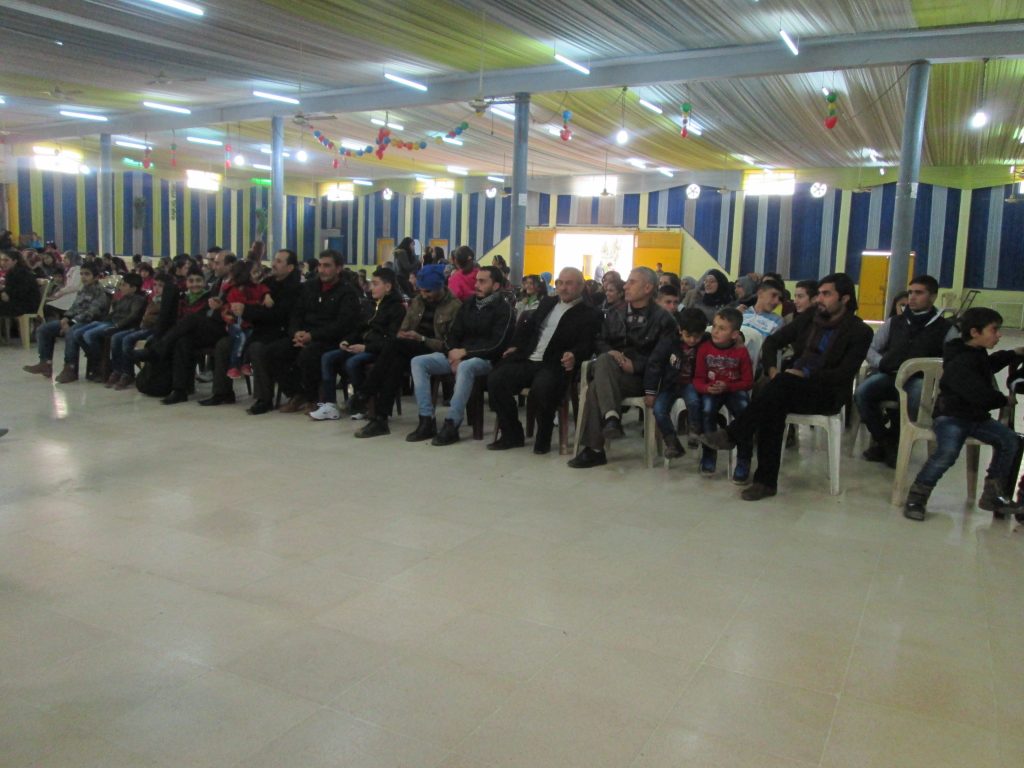
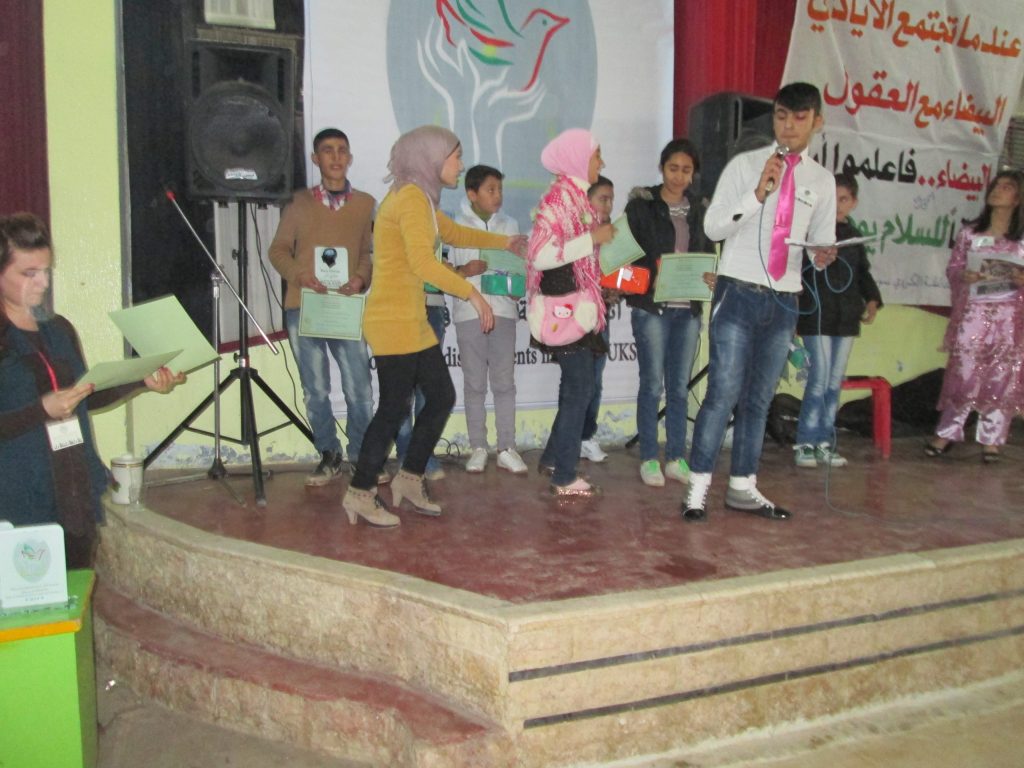
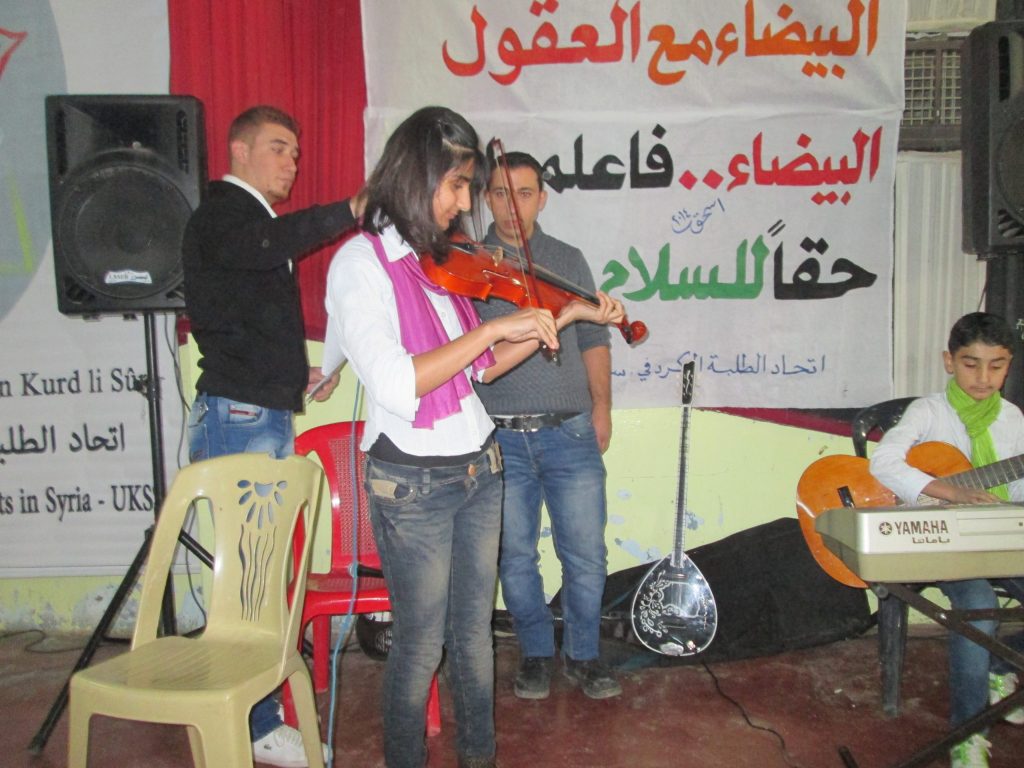
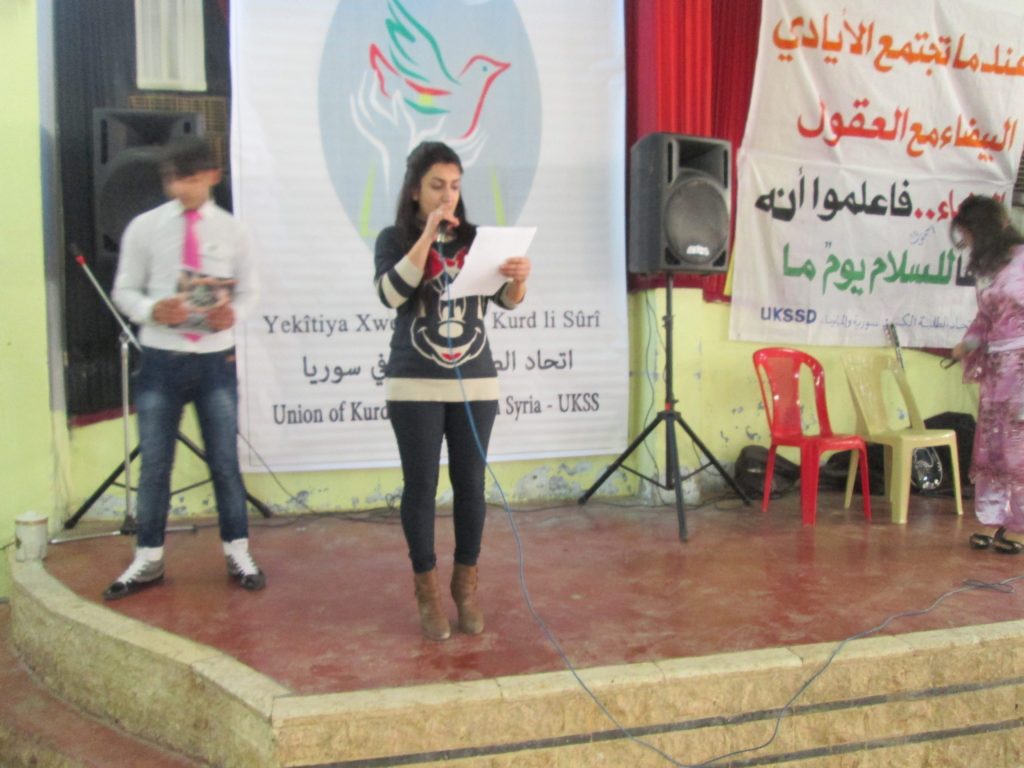
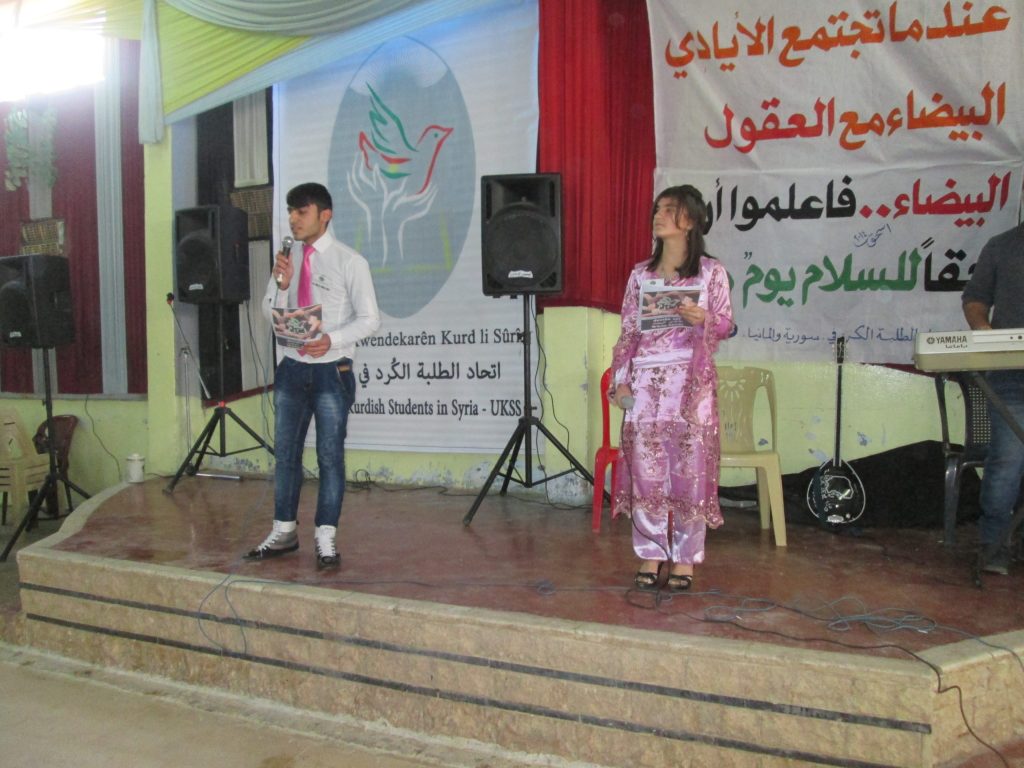
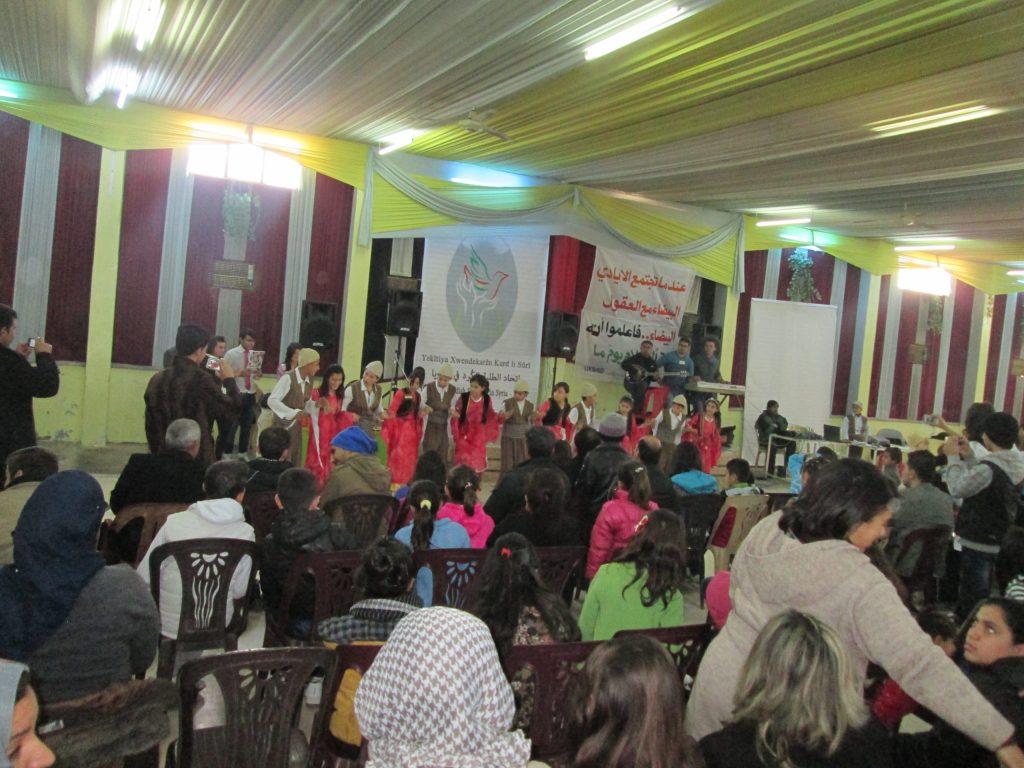
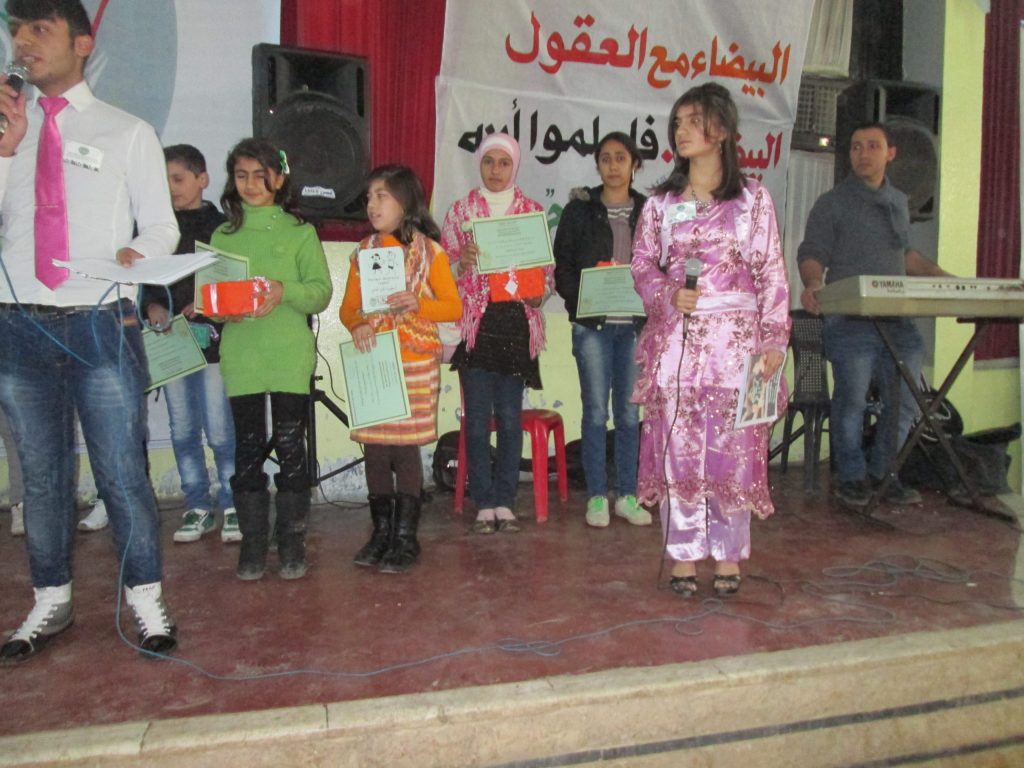
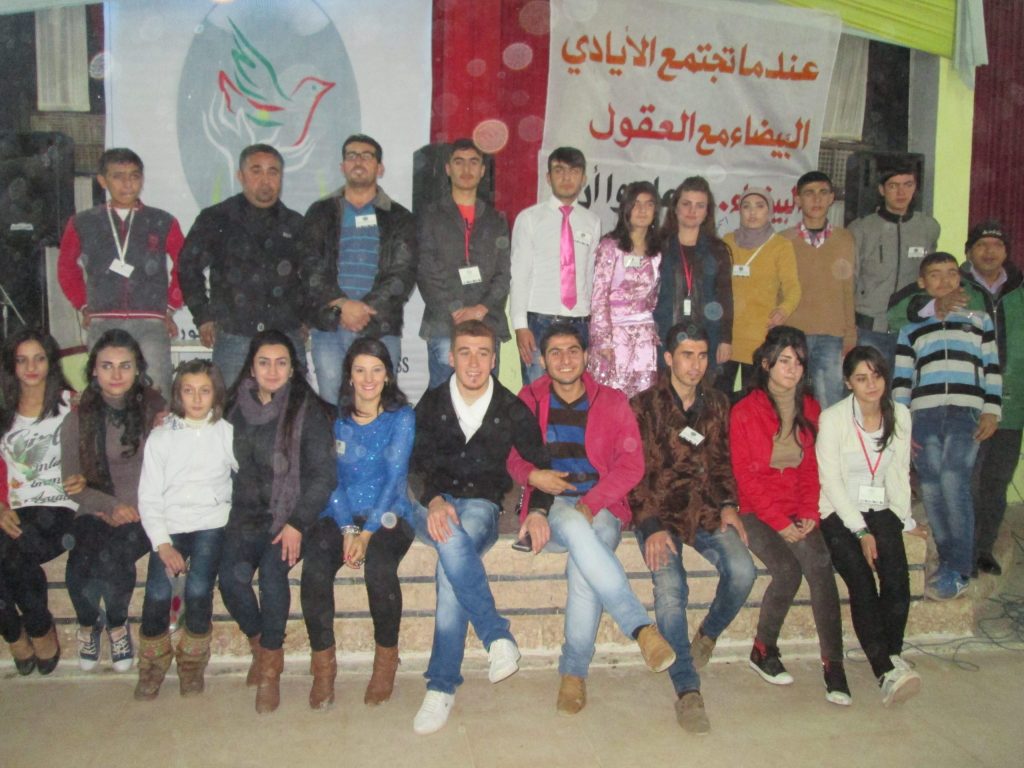
- The Final Celebration: A joyful event brought together children, families, and teachers for music, poetry, and dancing. Children showcased talents—from violin solos to Kurdish folk dances—while parents mingled and shared stories.
The event’s motto read:
“When white hands join white minds, know that peace will come one day.”
💡 Real Stories, Real Impact
One child, a 10-year-old girl from Damascus, had fled war and hunger with her family. Separated from her school and friends, she spent months in isolation—until DOZ Syria visited her home. “They promised they would help me go back to school—and they did,” she said. “Now, I have two friends and I go to school every day.”
A local Kurdish mother, overwhelmed with caring for her disabled sons and daughters after her husband passed away, shared:
“I couldn’t even imagine sending my youngest girl to school. We couldn’t afford it. DOZ gave her everything she needed. Now she studies—and smiles.”
💬 Lasting Effects of the Campaign
- Increased school enrollment for displaced children.
- Stronger bonds between local and displaced families.
- Positive attitude shifts among host communities.
- Local volunteerism grew, especially among university students.
- More than just aid, the campaign built a foundation for social cohesion in a fragmented region.
⚠️ Overcoming Challenges
The road wasn’t easy. Supplies were delayed by blockades and border restrictions. Some shipments were confiscated. Prices fluctuated wildly. And the team had to stretch a limited budget across growing needs.
But DOZ Syria persisted. With patience, coordination, and community trust, the team delivered dignity where others couldn’t reach.
✨ White Hands, Bright Futures
The White Hands Campaign proved that when communities are empowered, even the smallest tools—a pencil, a notebook, a kind word—can restore hope.
Through compassion, creativity, and resilience, DOZ Syria showed that peace and education are not dreams, but rights—and that no child should be left behind.
🎁 Support our education work in Syria