
Northeast Syria – 2022
Donor: Save the Children under the Danida program
In a region where trust has often been broken and where children and vulnerable people continue to pay the highest price for conflict, DOZ Syria is doing something simple yet transformative: listening.
In 2022, with support from Save the Children under the Danida program, DOZ Syria implemented the second phase of the Boosting Accountability to Children and Communities (BAACP) project across Northeast Syria. This initiative was more than just a series of activities—it was a commitment to hear, understand, and respond to the voices of the people we serve, especially children, people with disabilities (PWDs), and other often-overlooked groups.
🧭 Why Accountability Matters
In many parts of Syria, humanitarian organizations have faced a major challenge: ensuring that local communities have a say in the aid they receive. For years, technical expertise, feedback tools, and clear accountability policies have been lacking—especially for children and people with disabilities.
DOZ Syria wanted to change that.
Through this project, we focused on building a culture of participation within our teams and among our partners—so that our projects reflect not just what we think communities need, but what communities actually say they need.
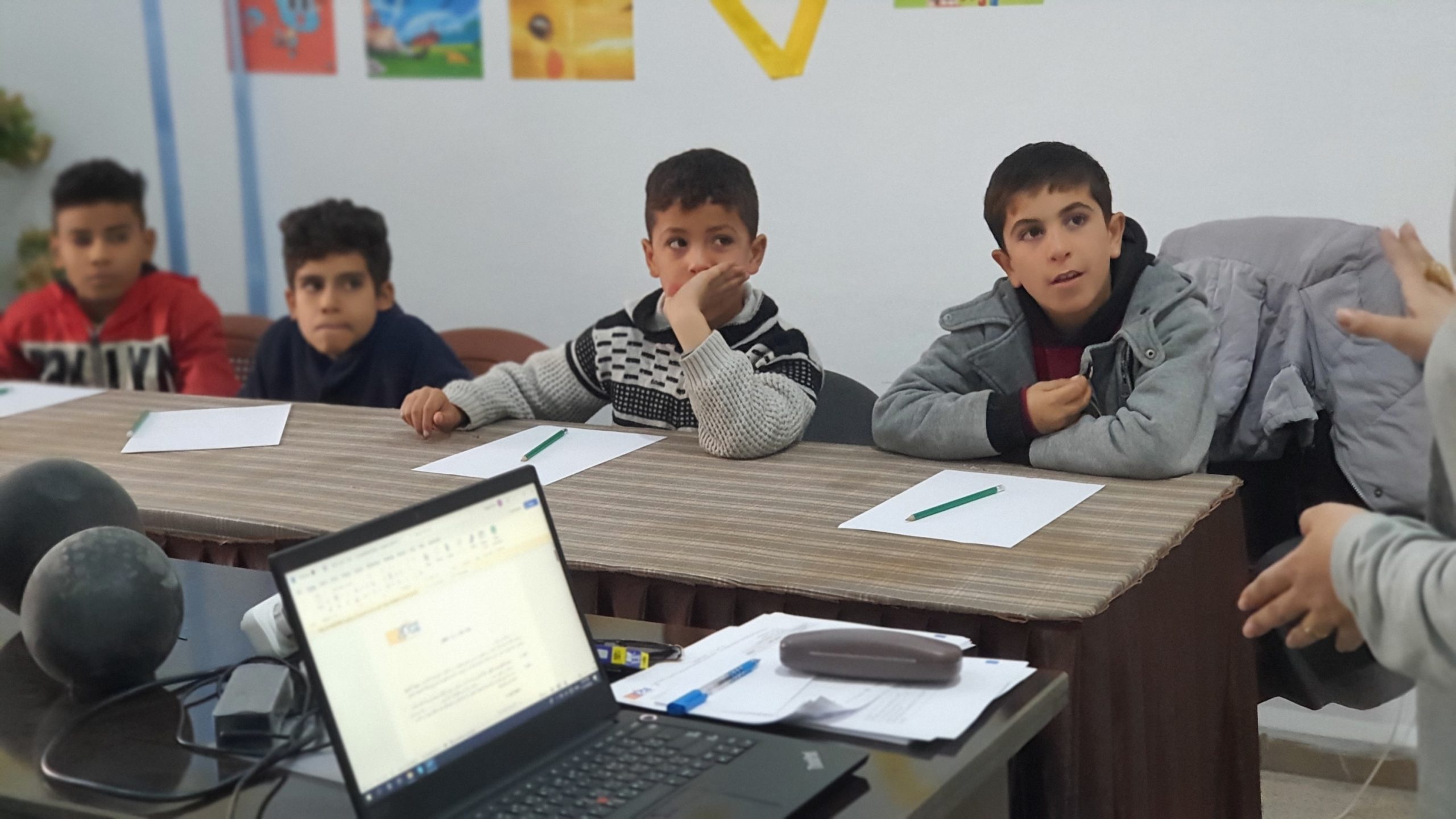
👂 Listening First – FGDs with Children, Women, Men, and PWDs
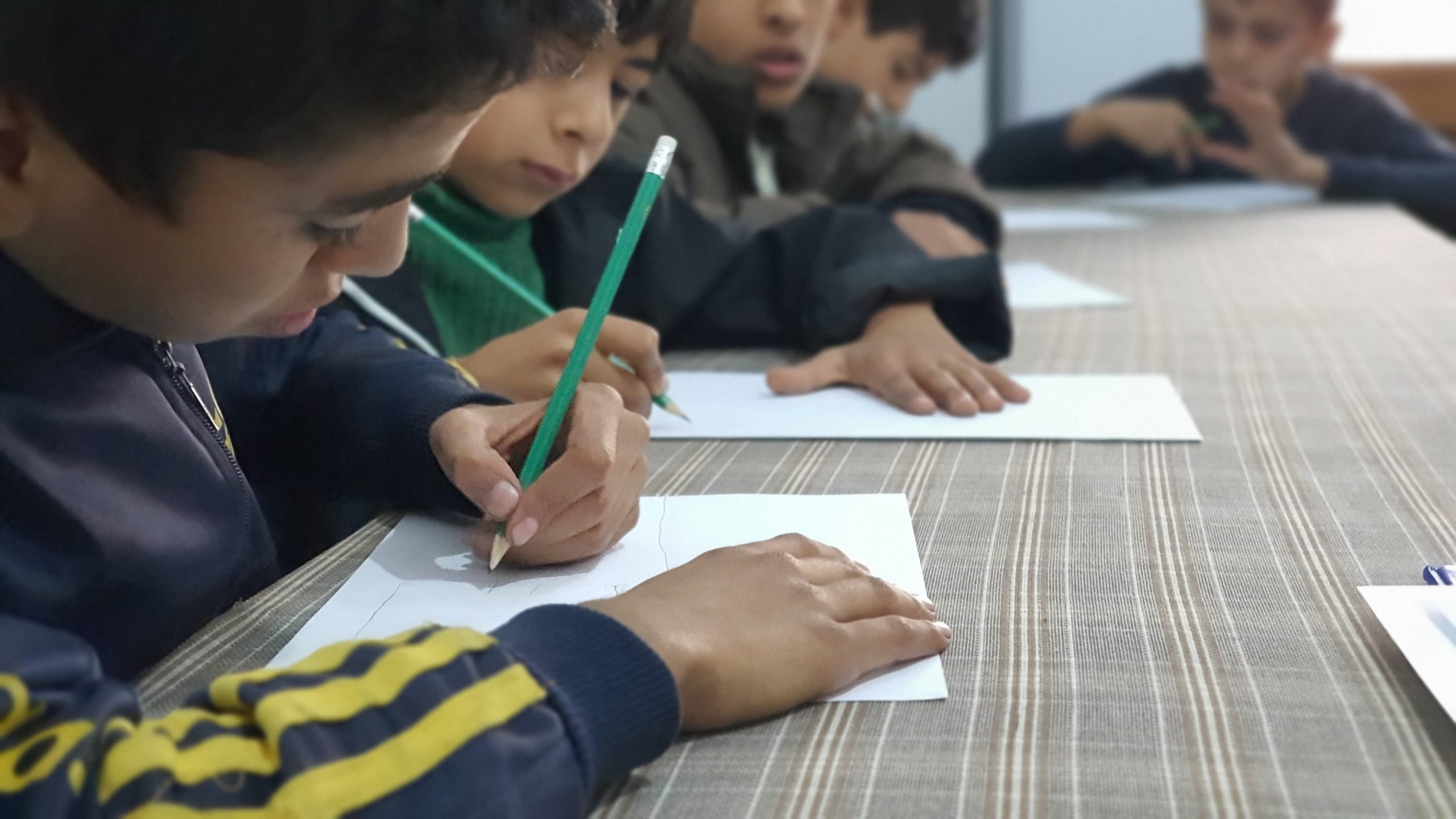
Over several months, DOZ Syria conducted six Focus Group Discussions (FGDs) with participants from our existing projects across Northeast Syria. We spoke with:
- 19 men and 21 women, including 6 people with disabilities
- 24 children, including 4 children with disabilities
The goal? To better understand their needs, experiences, and how they perceive the services we deliver. We didn’t just ask questions—we listened deeply. Many shared stories of being left out, misunderstood, or afraid to speak up. Others gave thoughtful suggestions on how we could improve our support.
📞 One-on-One Voices – Individual Interviews
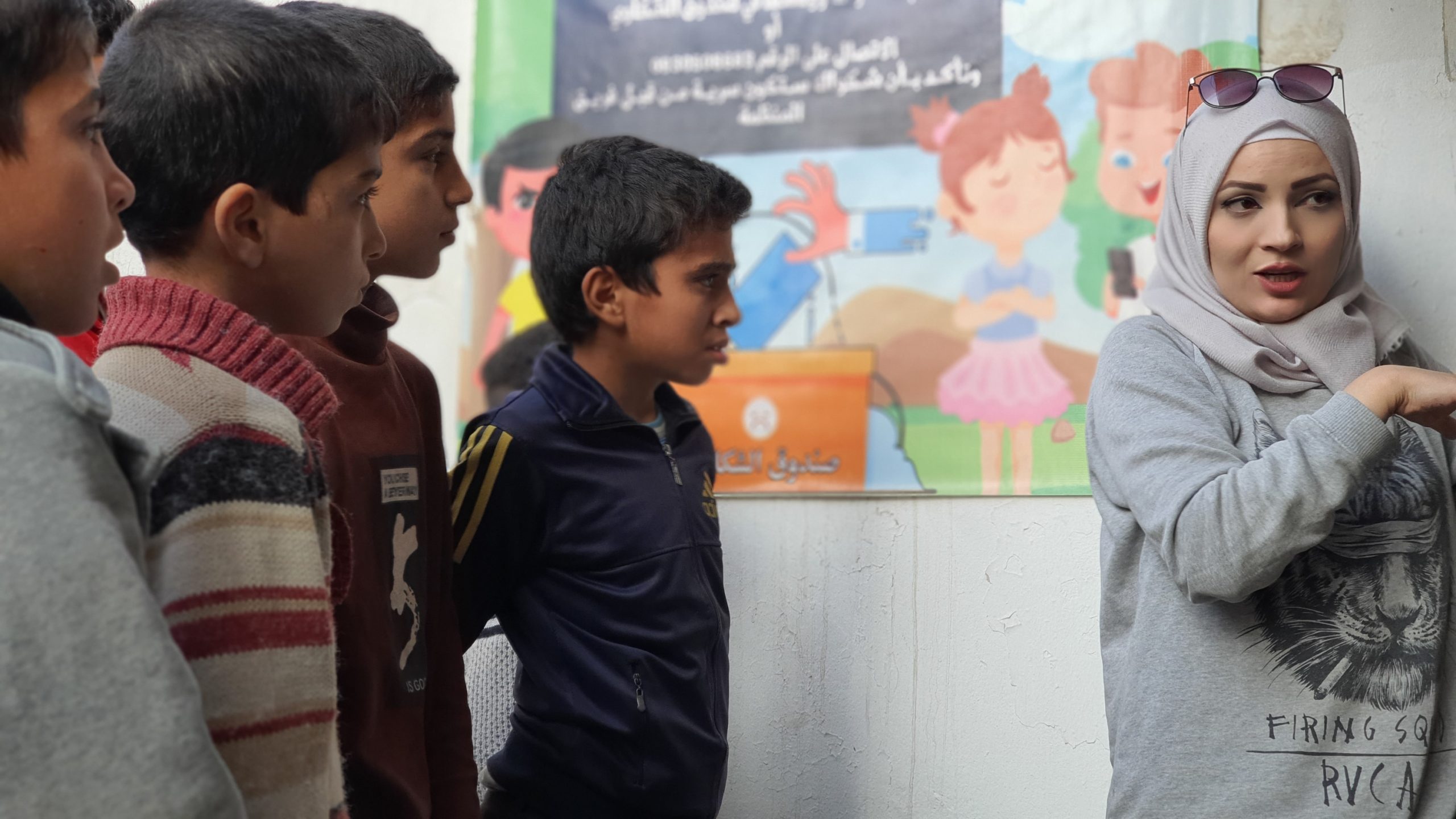
In addition to the FGDs, we conducted 30 one-on-one interviews with community members and local stakeholders:
- 14 men
- 16 women
- 5 people with disabilities
These individual conversations provided rich, detailed insights into the real-life challenges and hopes of people on the ground. From how complaints are handled to how inclusive planning really is, every voice gave us something important to learn from.
🧩 Learning Within – Staff Discussions and Capacity Building
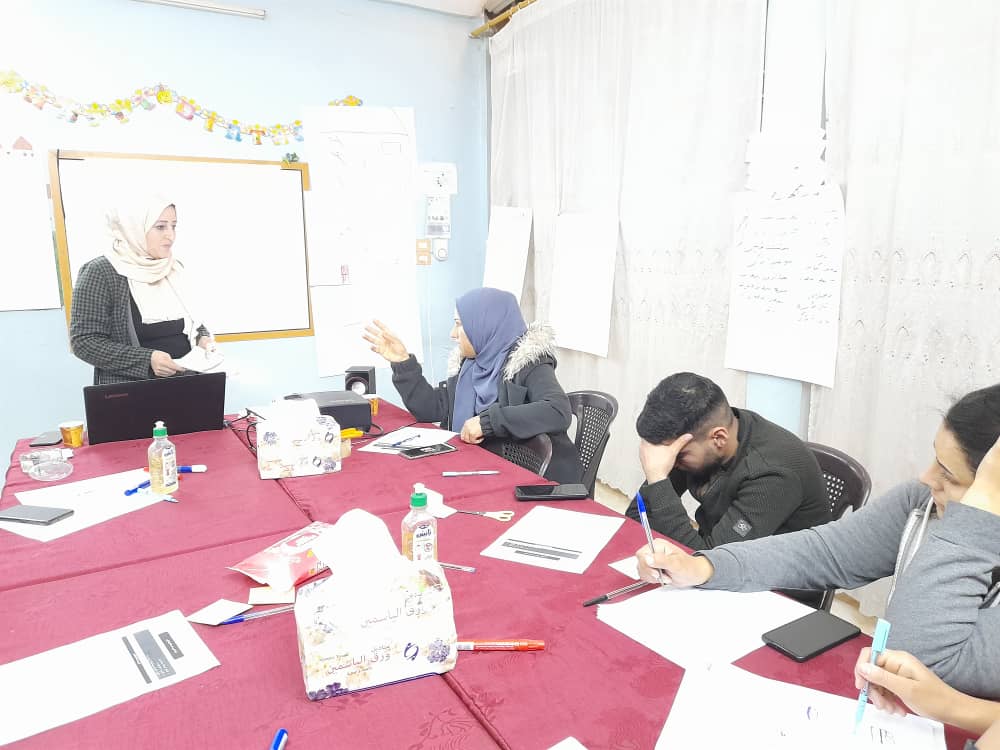
Accountability begins at home. That’s why we also held two internal reflection sessions with DOZ Syria staff at all levels—from field teams to senior management. In these sessions, we shared the results of the FGDs and interviews and explored how we, as an organization, can grow.
Together, we looked at:
- What we’re doing well
- Where we’re falling short
- And how we can improve policies, training, and culture across all teams
This wasn’t about pointing fingers—it was about building better together.
📢 Taking Accountability Public – Brochures, Visibility, and Access
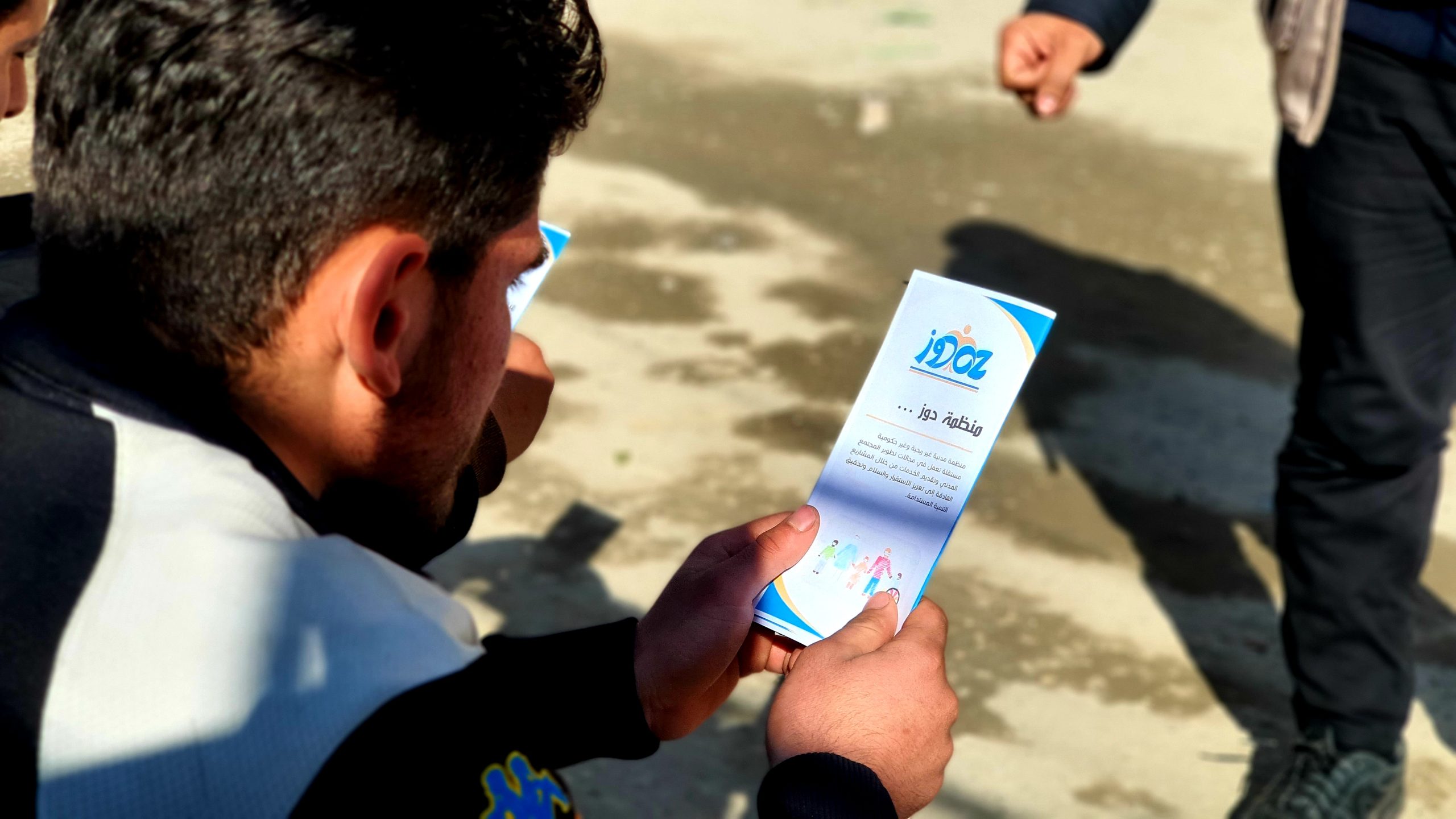
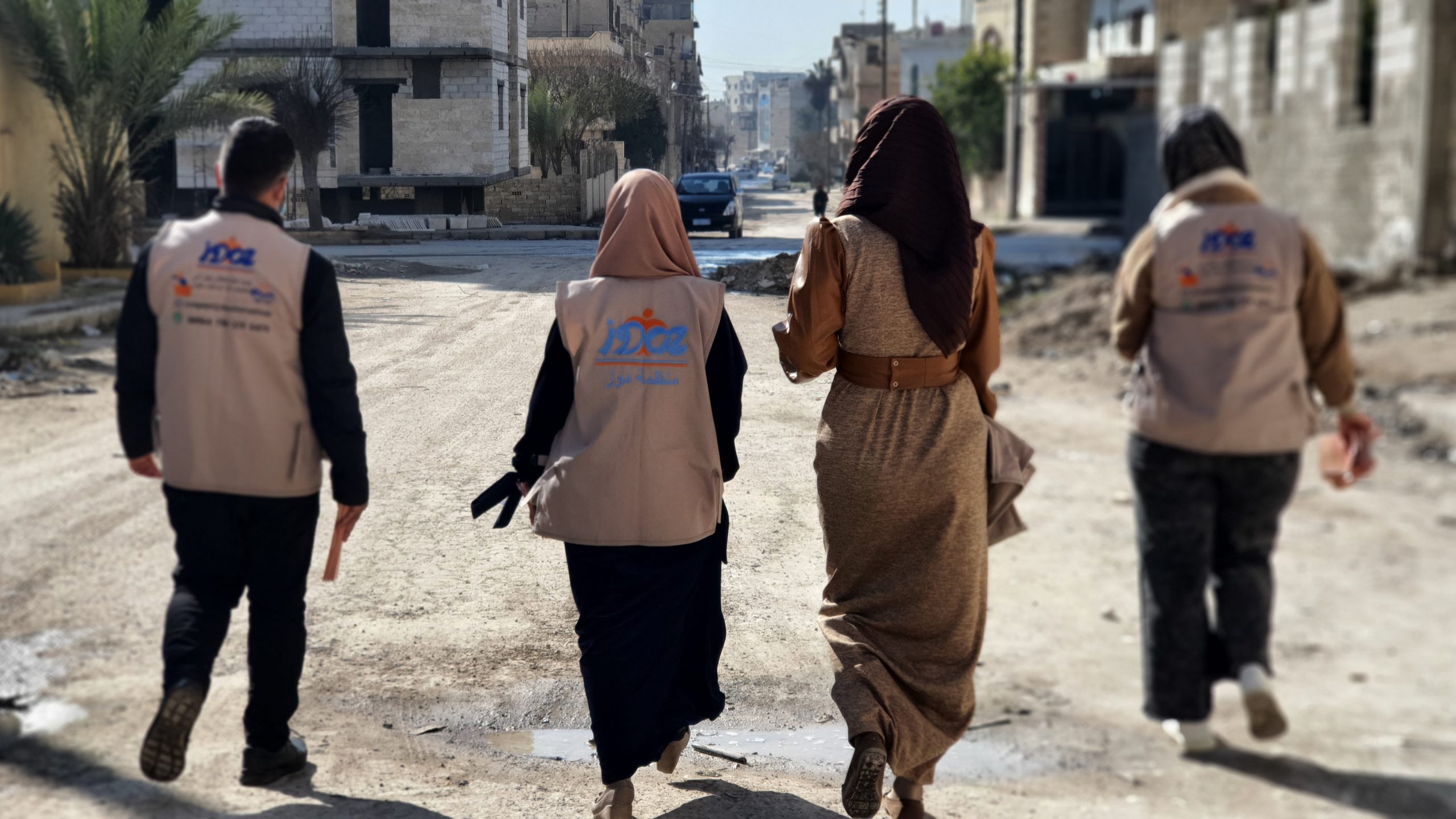
Being accountable also means being visible and accessible. So we created and distributed:
- 1,000 informational brochures across Hasaka, Raqqa, and Tirbespi cities
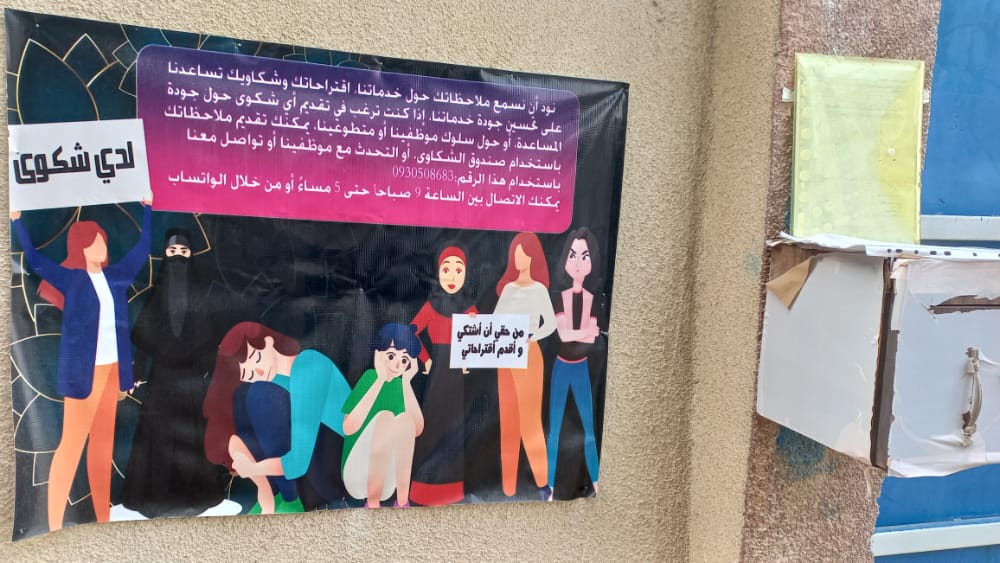
- These explained DOZ Syria’s work, how to give feedback or file a complaint, and how we are working to respond better
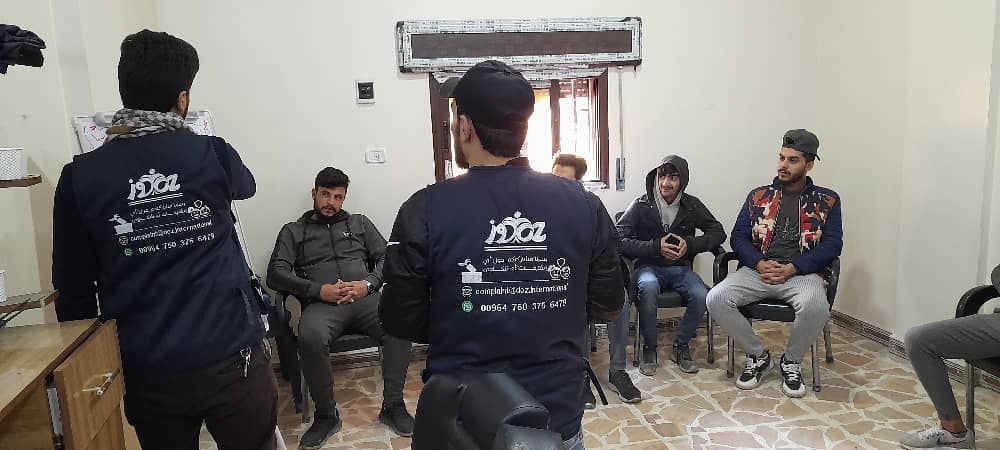
- 100 visibility vests with DOZ’s complaint hotline and contact details
- These were worn by DOZ employees so that community members could easily recognize them and reach out
By making our feedback systems clear and visible, we are creating safer, more responsive, and more inclusive project environments.
🛠️ Knowledge is Power – Accountability Workshops Across NES
To ensure long-term change, we didn’t stop at listening. We also acted.
We conducted four capacity-building workshops for DOZ Syria staff across four different regions in Northeast Syria. Topics included:
- How to use feedback tools effectively
- Strengthening complaint response systems
- Creating space for child and community participation
- Making our projects more inclusive for PWDs and marginalized groups
These workshops gave our staff new tools and knowledge—and reminded everyone that accountability isn’t a task. It’s a value.
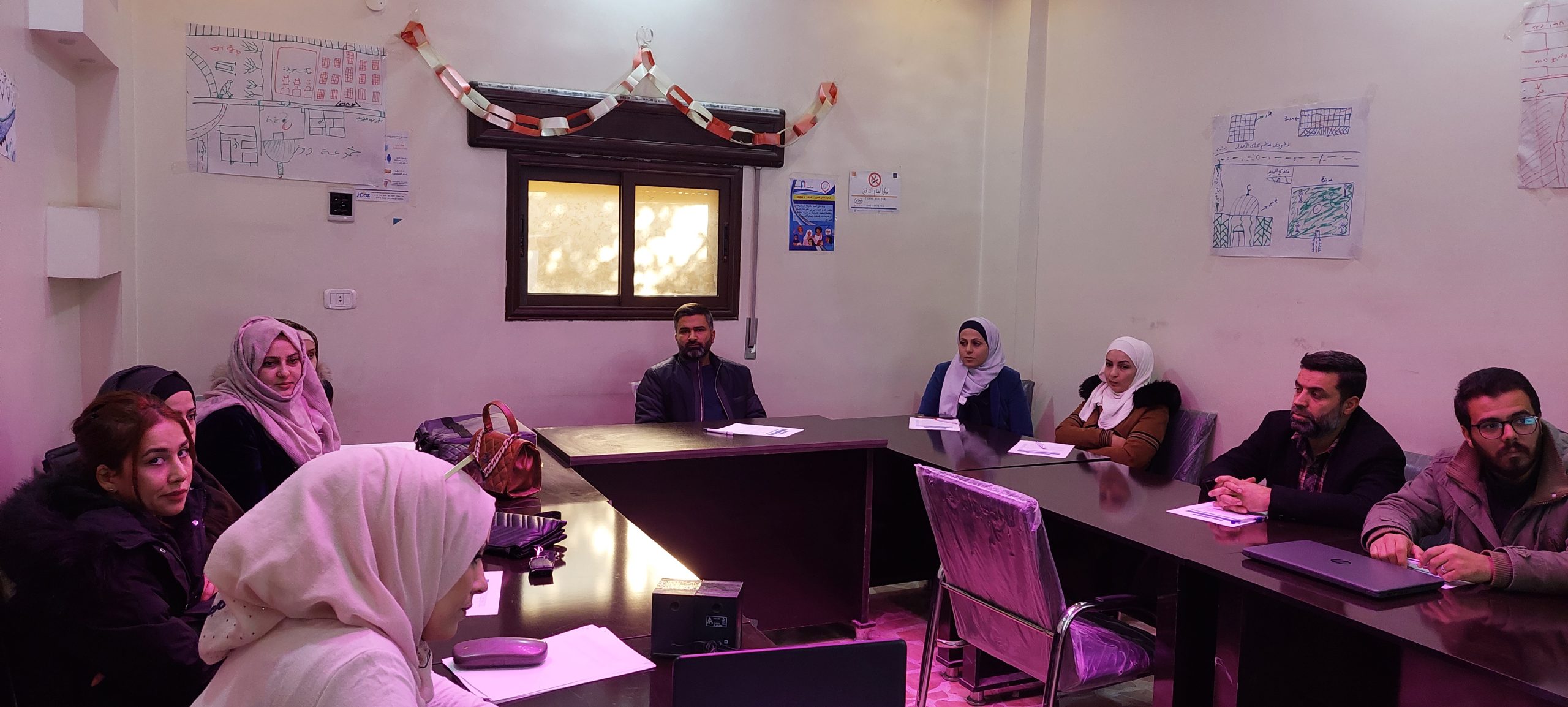
🌱 The Outcome: Building Trust, One Conversation at a Time
The BAACP project helped DOZ Syria take a big step forward in making our humanitarian work more transparent, inclusive, and responsive.
- Children feel seen and heard.
- People with disabilities feel included in shaping solutions.
- Community members know they have a voice—and that we’re listening.
- And our staff feels better equipped to deliver meaningful change.
As one young participant said after a focus group:
“I didn’t know someone would ever ask what I think. I thought we just receive. Now I know I can speak.”
💬 Because Every Voice Matters
At DOZ Syria, we believe accountability isn’t about box-ticking—it’s about dignity. It’s about recognizing that every person, especially every child, deserves to have a say in the decisions that affect their life.
The BAACP project was a step toward that future—a future where humanitarian aid isn’t something done to communities, but something done with them.